

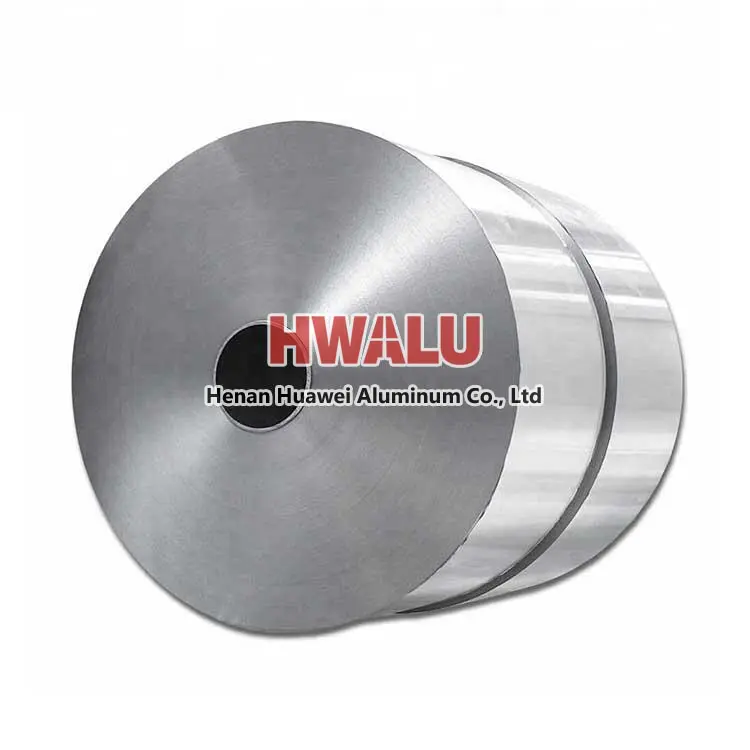
Single zero aluminum foil refers to aluminum foil with a thickness between 0.01mm ( 10 micron ) and 0.1mm ( 100 micron ). 0.01mm ( 10 micron ), 0.011mm ( 11 micron ), 0.012mm ( 12 micron ), 0.13mm ( 13 micron ), 0.14mm ( 14 micron ), 0.15mm ( 15 micron ), 0.16mm ( 16 micron ), 0.17mm ( 17 micron ), 0.18mm ( 18 micron ), 0.19mm ( 19 micron ) 0.02mm ( 20 micron ), 0.021mm ( 21 micron ), 0.022mm ( 22 micron ...
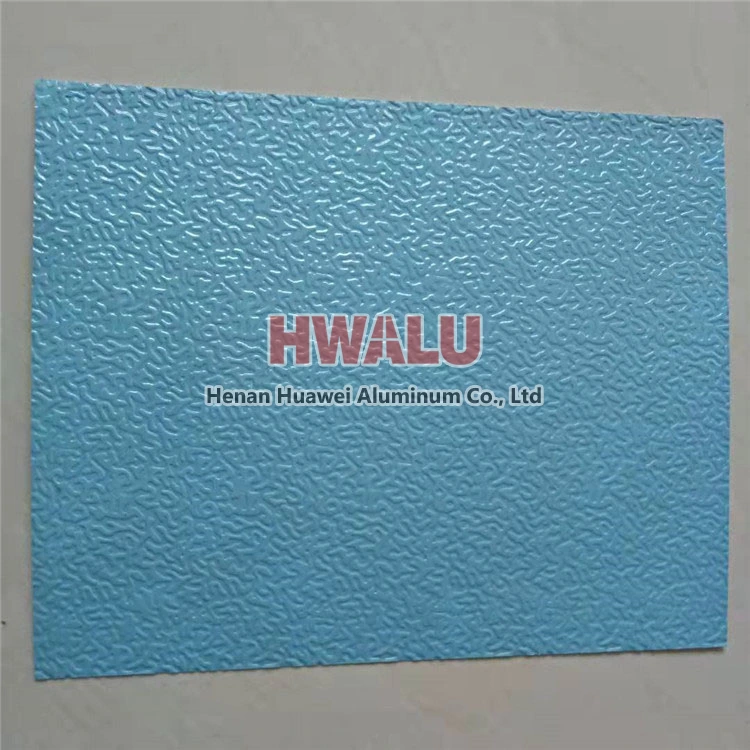
Specifications of sarin coated embossed aluminum foil Alloy model 1100 or 1200 3003 or 3004 5052, 5083, 5754 8011, 8079 Thickness 0.006mm-0.2mm Width 200mm-1600mm Flower type Common flower types include five flowers, tiger skin, pearl and so on. Coating sarin coating, color: gold, silver, red, green, blue, etc. Paper core inner diameter 76mm or 152mm Packing method w ...

Single zero aluminum foil refers to aluminum foil with a thickness between 0.01mm ( 10 micron ) and 0.1mm ( 100 micron ). 0.01mm ( 10 micron ), 0.011mm ( 11 micron ), 0.012mm ( 12 micron ), 0.13mm ( 13 micron ), 0.14mm ( 14 micron ), 0.15mm ( 15 micron ), 0.16mm ( 16 micron ), 0.17mm ( 17 micron ), 0.18mm ( 18 micron ), 0.19mm ( 19 micron ) 0.02mm ( 20 micron ), 0.021mm ( 21 micron ), 0.022mm ( 22 micron ...

What is 1200 alloy aluminum foil? 1200 alloy aluminum foil for industrial pure aluminum, plasticity, corrosion resistance, high electrical conductivity, and thermal conductivity, but low strength, heat treatment can not be strengthened, poor machinability. This is a high-strength aluminum material that can pass heat treatment, plastic strength under quenching and newly quenched states, and cold strength during s ...
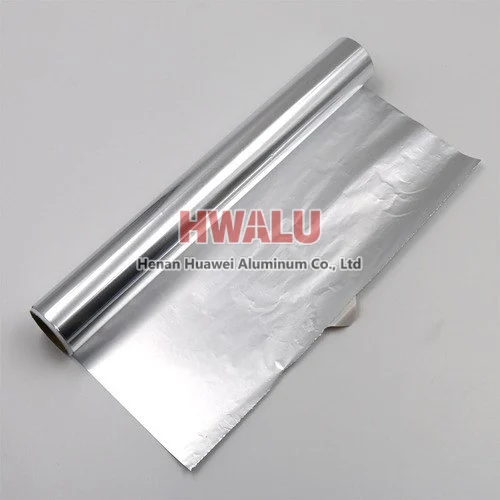
What is 13 micron aluminum foil? "Aluminum Foil 13 Micron" is a thin and light aluminum foil that falls within the thickness range of household aluminum foil and is commonly used for various packaging and insulation purposes. It is a very common thickness specification. 13 micron aluminum foil equivalent name 13μm aluminum foil 0.013mm aluminum foil Household packaging aluminum foil 13 micron aluminum foil ...

What is aluminum foil for hookah Aluminum foil for hookah is a type of aluminum foil that is specifically designed and marketed for use in hookahs or water pipes. It is commonly used to cover the bowl of the hookah and hold the tobacco or shisha that is smoked through the pipe. Hookah foil is typically thinner than other types of aluminum foil, making it more pliable and easier to fit over the hookah bowl. It ...
Aluminum foil is typically thinner than aluminum coil. Aluminum foil is typically available in various thicknesses, ranging from as thin as 0.005 mm (5 microns) up to 0.2 mm (200 microns). The most commonly used thicknesses for household aluminum foil are around 0.016 mm (16 microns) to 0.024 mm (24 microns). It is commonly used for packaging, cooking, and other household purposes. On the other hand, alumin ...
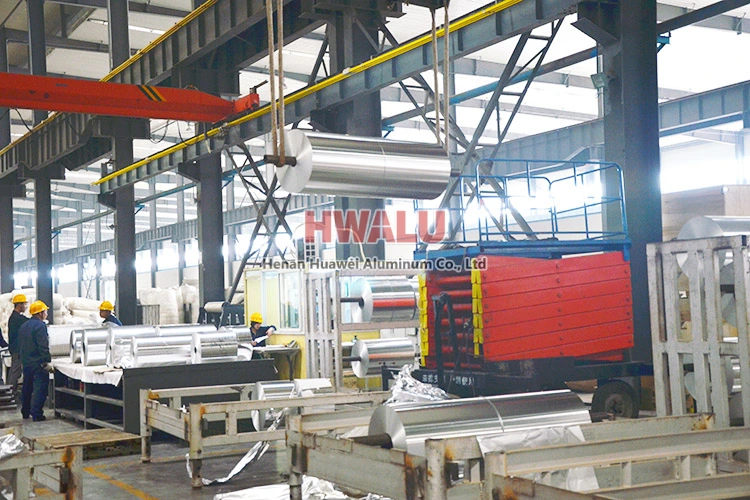
The biggest feature of aluminum foil is its light weight and wide range of uses, suitable for aviation, construction, decoration, industry and other industries. Aluminum is very cost-effective, and its electrical conductivity is second only to that of copper, but the price is much cheaper than that of copper, so many people now choose aluminum as the main material for wires. 1060, 3003, 5052 are several common ...
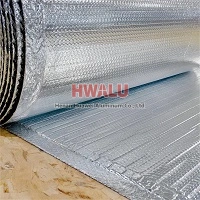
Is aluminum foil a good insulator? It is certain that aluminum foil itself is not a good insulator, because aluminum foil can conduct electricity. Aluminum foil has relatively poor insulation properties. Although aluminum foil has certain insulating properties in some cases, its insulating properties are not as good as other insulating materials. Because under normal circumstances, the surface of aluminum foi ...

Why Can Aluminum Foil Conduct Electricity? Do you know how aluminum foil conducts electricity? Aluminum foil is a good conductor of electricity because it is made of aluminum, which has a high electrical conductivity. Electrical conductivity is the measure of how well a material conducts electricity. Materials with high electrical conductivity allow electricity to flow through them easily because they have many ...
The selection principle of pass processing rate is as follows: (1) Under the premise that the equipment capacity allows the rolling oil to have good lubrication and cooling performance, and can obtain good surface quality and shape quality, the plasticity of the rolled metal should be fully utilized, and the large pass processing rate should be used as much as possible to improve the rolling mill Production ef ...
What is the difference between aluminum foil and tin foil? Can it be used for oven heating? Is aluminum foil toxic when heated? 1. Different properties: Aluminum foil paper is made of metal aluminum or aluminum alloy through rolling equipment, and the thickness is less than 0.025mm. Tin foil is made of metal tin through rolling equipment. 2. The melting point is different: the melting point of aluminum foil ...