


What is aluminum foil for pharmaceutical packaging Aluminum foil for pharmaceutical packaging is usually composed of aluminum foil, plastic film, and a glue layer. Aluminium foil has many advantages as a packaging material, such as moisture-proof, anti-oxidation and anti-ultraviolet properties, and can effectively protect medicines from light, oxygen, and moisture. Aluminium foil for pharmaceutical packaging ...
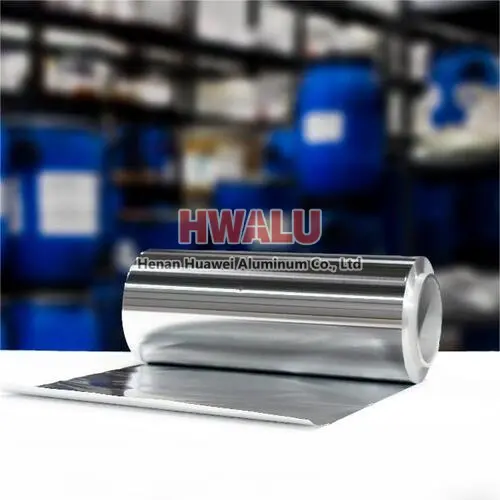
1235 aluminum foil for battery 1235 aluminum foil is an aluminum alloy foil with a higher content in the 1000 series. It is a high-quality aluminum alloy material that can be widely used in many fields. It can be widely used in food foil packaging and medicinal foil packaging. It can also be used in for battery packaging. Battery foil 1235 element content Alloy Si Fe Cu Mn Mg Cr Ni Zn V Ti ...

Air conditioner aluminum foil Air-conditioning is indispensable to escape the heat in summer. As air-conditioning enters thousands of households, it is also constantly developing. At present, air conditioners are gradually developing in the direction of miniaturization, high efficiency, and long life. The air-conditioning heat exchange fins are also correspondingly developed in the direction of ultra-thin and hi ...

What is Yogurt Lid Foil? Yogurt Lid Foil is made of food-grade aluminum foil material, which can ensure that no harmful substances are released and is harmless to the human body. Foil yogurt lid is usually in the process of making yogurt, aluminum foil is sealed on the cup lid by special sealing equipment. Because of the good moisture resistance and oxygen barrier properties of aluminum foil, it can effective ...
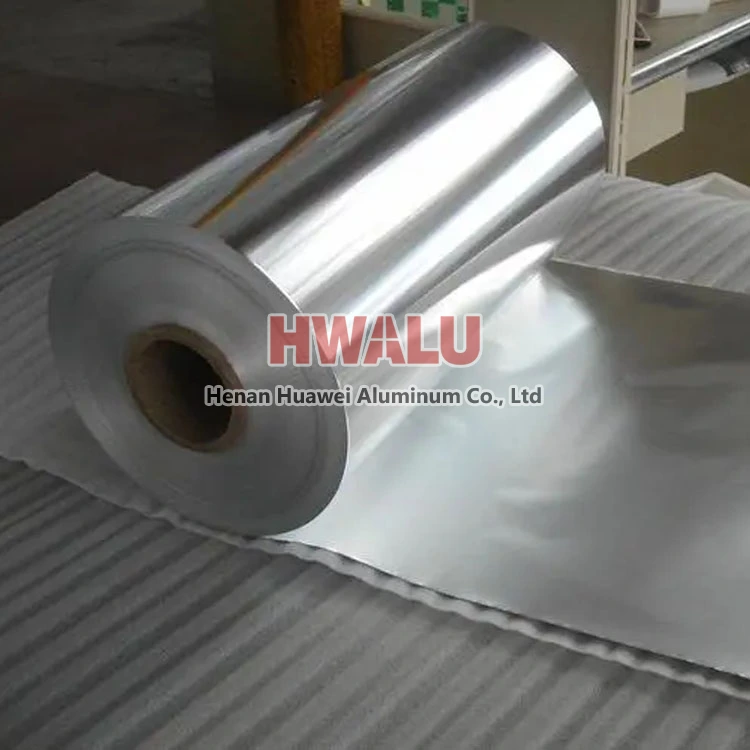
what is 1100 alloy aluminum foil 1100 alloy aluminum foil is a type of aluminum foil made from 99% pure aluminum. It is commonly used in various applications such as packaging, insulation, and electronics because of its excellent corrosion resistance, high thermal conductivity, and good electrical conductivity. 1100 alloy aluminum foil is soft and ductile, making it easy to work with and shape. It can be easi ...
Lunch boxes are essential packaging boxes in the food packaging industry. Common lunch box packaging materials on the market include plastic lunch boxes, aluminum foil lunch boxes, etc. Among them, aluminum foil lunch boxes are more commonly used. For lunch box packaging, aluminum foil is widely used due to its excellent barrier properties, flexibility and lightness. What aluminum foil alloy is most suitable for ...
Now the aluminum foil we see in the market is no longer made of tin, because it is more expensive and less durable than aluminum. The original tin foil (also known as tin foil) is really made of tin. Tin foil is softer than aluminum foil. It will smell tinted to wrap food. At the same time, tin foil cannot be heated due to its low melting point, or the heating temperature is high-such as 160 It begins to becom ...
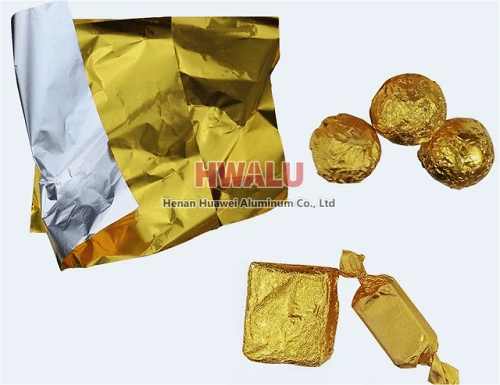
Can aluminum foil be used to wrap chocolate?Aluminum foil can be used to wrap chocolate, thanks to its properties. In fact, aluminum foil packaging of chocolate is a common and practical method of packaging and preserving chocolate. Aluminum foil is suitable for packaging chocolate for the following reasons: Barrier properties: Aluminum foil effectively blocks moisture, air, light and odors. Helps protect c ...
1-Moisture-proof and anti-oxidation: Aluminum foil paper can effectively prevent food from getting wet and oxidized and cause deterioration, so as to maintain the freshness and taste of food. 2-Thermal insulation: The thermal conductivity of aluminum foil paper is very low, which can effectively insulate heat and prevent heat loss. 3-Blocking UV rays: Aluminum foil can effectively block UV rays and protect ...
hot ingot rolling First, the aluminum melt is cast into a slab, and after homogenization, hot rolling, cold rolling, intermediate annealing and other processes, it is continued to be cold rolled into a sheet with a thickness of about 0.4~1.0 mm as a foil blank (casting → hot rolling billet → cold rolling → foil rolling). In the ingot hot rolling method, the hot rolled billet is first milled to remove defect ...
In the production process of aluminum foil, there are multiple processes such as rolling, finishing, annealing, packaging, etc. The interlocking production process, any problem in any link may cause aluminum foil quality problems. The quality defects of the purchased aluminum foil products will not only affect the appearance, but also directly affect the quality of the products produced, and even more directly ca ...