


What is aluminum foil for baking? Aluminum foil for baking is a type of aluminum foil that is commonly used in cooking and baking to wrap, cover, or line various types of food items. It is made from a thin sheet of aluminum that is rolled out and then processed through a series of rollers to achieve the desired thickness and strength. Aluminum foil for baking is typically designed to be non-stick and heat-res ...
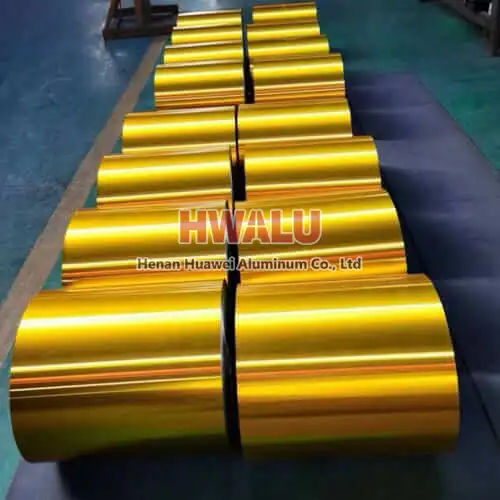
Black Gold Aluminum foil Black Gold Aluminum foil refers to aluminum foil with black or gold spray coating on the surface, and also has one side of gold and one side of very colored aluminum foil. Black aluminum foil is mostly used in aluminum foil tape, air duct materials, etc. Gold aluminum foil is widely used and is often used in chocolate packaging, pharmaceutical packaging, aluminum foil lunch box ...

What is aluminum foil for food Aluminum foil for food is a type of aluminum foil that is specifically designed and manufactured for use in food preparation, cooking, storage, and transport. It is commonly used in households and food service industries to wrap, cover, and store food items, as well as to line baking sheets and pans. Aluminum foil for food is available in various sizes, thicknesses, and strength ...
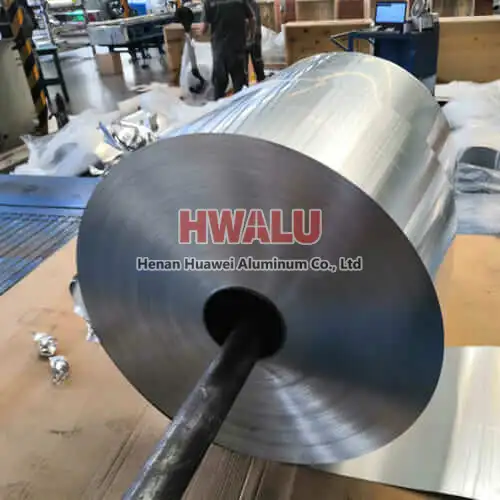
Introduction Of Best Price Aluminium Foil Roll 3003 Aluminium foil roll 3003 is a common product of Al-Mn series alloys. Because of the addition of alloy Mn element, it has excellent rust resistance, weldability and corrosion resistance. Main tempers for Aluminium foil roll 3003 are H18, H22 and H24. Similarly, 3003 aluminum foil is also a non-heat treated alloy, so a cold working method is used to improv ...
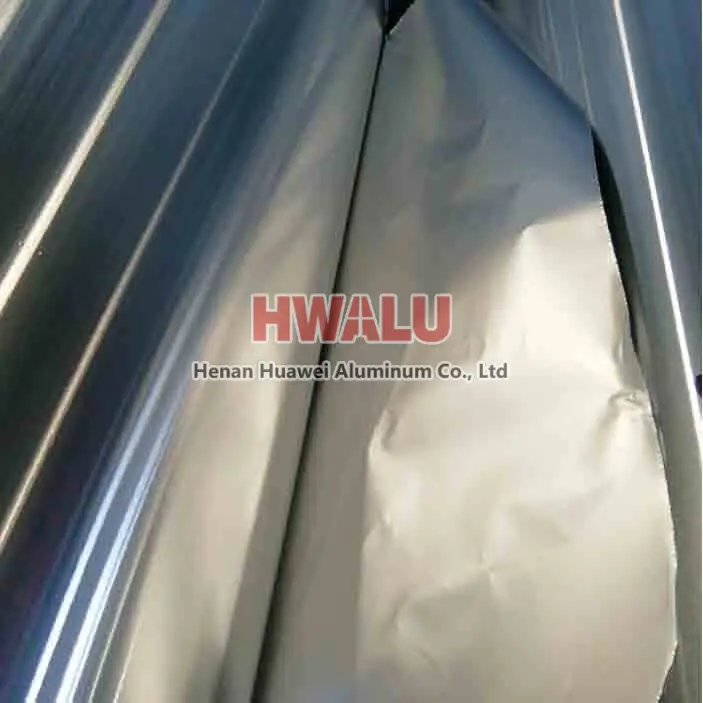
Introduction: At Huawei Aluminum, we take pride in being a leading manufacturer and wholesaler of high-quality aluminum foil paper designed specifically for food containers. With a commitment to excellence and precision, our 3003 Aluminum foil is engineered to meet the highest industry standards, ensuring the safety and reliability of your food packaging. Why Choose 3003 Aluminum for Food Containers? The c ...
Common aluminum foil materials are 8011 aluminum foil and 1235 aluminum foil. The alloys are different. What's the difference? Aluminum foil 1235 aluminum foil is different from 8011 aluminum foil alloy. The process difference lies in the annealing temperature. The annealing temperature of 1235 aluminum foil is lower than that of 8011 aluminum foil, but the annealing time is basically the same. 8011 aluminum foi ...
In the production of double foil, the rolling of aluminum foil is divided into three processes: rough rolling, intermediate rolling, and finishing rolling. From a technological point of view, it can be roughly divided from the thickness of the rolling exit. The general method is that the exit thickness is greater than Or equal to 0.05mm is rough rolling, the exit thickness is between 0.013 and 0.05 is intermediat ...
I can't believe that there are 20 uses for aluminum foil! ! ! Aluminum foil is a widely used material. Aluminum foil has a wide range of uses in daily life and industrial applications due to its light weight, good processing performance, high reflectivity, high temperature resistance, moisture resistance, corrosion resistance and other characteristics. Here are twenty uses of aluminum foil: 1. Alumin ...
Cast-rolled aluminum foil production process Aluminum liquid, aluminum ingot -> Smelt -> Continuous roll casting -> Winding -> Cast roll finished product Plain foil production process Plain foil -> Cast-rolled coil -> Cold rolled -> Foil rolling -> Slitting -> Annealing -> Plain foil finished product The manufacture of aluminum foil is similar to making pasta at home. A large b ...
Degreasing pollution is mainly manifested on the surface of the aluminum foil in 0 state. After the aluminum foil is annealed, it is tested by the water brushing method, and it does not reach the level specified in the water brushing test. The aluminum foil that requires the water-washing test is mainly used for printing, composite with other materials, etc. Therefore, the surface of the aluminum foil must be ...
The rolling oil and other oil stains remaining on the surface of the foil, which are formed on the foil surface to varying degrees after annealing, are called oil spots. The main reasons for oil spots: high degree of oil in aluminum foil rolling, or inappropriate distillation range of rolling oil; mechanical oil infiltration in aluminum foil rolling oil; improper annealing process; excessive oil on the surface ...