


What is bright aluminum foil? Bright aluminum foil is a kind of aluminum foil material with a smooth surface and good reflective properties. It is usually made of high-purity aluminum metal material through multiple precision machining processes. In the manufacturing process, aluminum metal is rolled into very thin sheets, which are then specially treated The rollers are repeatedly rolled until the surfac ...

What is aluminum foil for containers? Aluminum foil for containers is a type of aluminum foil specially designed for food packaging and storage. It is commonly used to make disposable food containers, trays, and pans for easy transport and for cooking, baking, and serving food. Aluminum foil for containers, often called aluminum food containers or aluminum foil food trays, is designed to meet specific requ ...
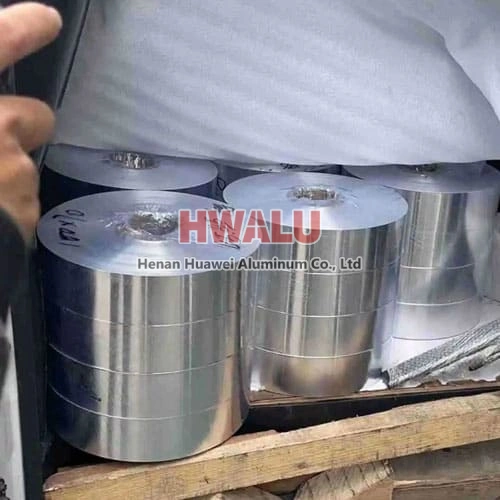
Overview of aluminum foil for electronic products As one of the core materials of electronic devices, aluminum foil for electronic products has always been the focus of electrical appliance manufacturers. As a term that doesn't come up very often, you might have questions about it. What is aluminum foil for electronic products? What are the classifications of aluminum foil for electronic products? What are the a ...

Aluminum foil thickness for different purposes Alloy Alloy state Typical thickness(mm) Processing methods End use smoke foil 1235-O、8079-O 0.006~0.007 Composite paper, coloring, printing, etc. Used in cigarette packaging after lining, printing or painting. Flexible packaging foil 8079-O、1235-O 0.006~0.009 Composite paper, plastic film embossing, coloring, printi ...

Parameters of aluminum foil for hairdressing Alloy: 8011 Temper: soft Type: roll Thickness: 9mic-30mic Length: 3m-300m Width: Custom Size Accepted Color: Customers' Request Treatment: Printed, Embossed Use: hair dressing Production: Hair Salon Foils, Hair Dressing Foil Main features and advantages of hairdressing foil: It is suitable for bleaching and dyeing h ...
Aluminum foil is a thin sheet of aluminum metal that has the following properties: Lightweight: Aluminum foil is very lightweight because aluminium metal itself is a lightweight material. This makes aluminum foil an ideal material during packaging and shipping. Good sealing: The surface of aluminum foil is very smooth, which can effectively prevent the penetration of oxygen, water vapor and other gases, s ...
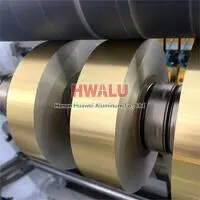
What is the density of aluminum foil alloy? Aluminum foil is a hot stamping material that is directly rolled into sheets of metallic aluminum. Because the hot stamping effect of aluminum foil is similar to that of pure silver foil, aluminum foil is also called fake silver foil. Aluminum foil is soft, malleable, and has a silvery white luster. It also has a lighter texture, thanks to the lower density of aluminum ...
Aluminum foil paper is almost a must-have item for every family, but do you know that besides cooking, does aluminum foil paper have any other functions? Now we have sorted out 9 usages of aluminum foil paper, which can clean, prevent aphids, save electricity, and prevent static electricity. From today, don’t throw away after cooking with aluminum foil paper. Using the characteristics of aluminum foil paper will ...
Aluminum foil packaging development history: Aluminum foil packaging began in the early 20th century, when aluminum foil as the most expensive packaging material, only used for high-grade packaging. In 1911, the Swiss confectionery company began wrapping chocolate in aluminum foil, gradually replacing tinfoil in popularity. In 1913, based on the success of aluminum smelting, the United States began to produce ...
What is household foil? Household foil, also called household aluminum foil and commonly referred to as aluminum foil, is a thin sheet of aluminum used for a variety of household purposes. It has become a must-have for many households due to its versatility, durability, and convenience. Household aluminum foil is usually made of aluminum alloy, which combines the characteristics of pure aluminum with the adva ...
Degreasing pollution is mainly manifested on the surface of the aluminum foil in 0 state. After the aluminum foil is annealed, it is tested by the water brushing method, and it does not reach the level specified in the water brushing test. The aluminum foil that requires the water-washing test is mainly used for printing, composite with other materials, etc. Therefore, the surface of the aluminum foil must be ...