


Double zero aluminum foil refers to aluminum foil with a thickness between 0.001mm ( 1 micron ) and 0.01mm ( 10 micron ). Such as 0.001mm ( 1 micron ), 0.002mm ( 2 micron ), 0.003mm ( 3 micron ), 0.004mm ( 4 micron ), 0.005mm ( 5 micron ), 0.006mm ( 6 micron ), 0.007mm ( 7 micron ), 0.008mm ( 8 micron ), 0.009mm ( 9 micron ) 0.005 mic aluminium foil Advantages of 0.001-0.01 micron aluminum foil An ...

What are the common aluminum foil customizations? Thickness: The thickness of the aluminium foil can be customized according to the specific application. For example, packaging foil is usually thinner than kitchen foil. Size: Aluminum foil can be customized according to the size required, for example, aluminium foil for cooking can be cut to the size of a baking tray. Surface treatment: Aluminum foil can b ...

aluminium foil specification Aluminum foil for coated foil Coated Products gauges/thicknesses 0.00035” - .010” Coating thicknesses .002″ Width .250” - 54.50” Length customize aluminum foil for coated foil We offer a variety of Coated Products Carbon coated aluminum foil Heat Seals Corrosion Resistant Epoxies Slip Lubes Print Primers Release Coatings, ...
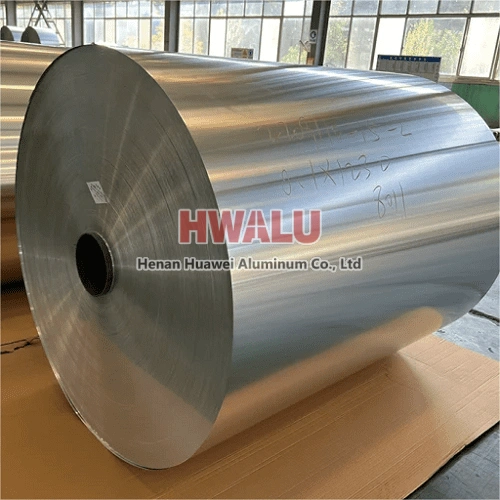
What is aluminium foil 11 micron? 11 micron aluminum foil refers to a thin sheet of aluminum that is approximately 11 microns (μm) thick. The term "micron" is a unit of length equal to one millionth of a meter. Aluminum foil 11 micron, also known as 0.0011mm aluminum foil, is a multifunctional material with excellent barrier properties, flexibility and conductivity. Aluminum foil thickness application Aluminu ...

Basic parameters of aluminum foil for food packaging Thickness: 0.006-0.2mm Width: 20-1600mm Material state: O, H14, H16, H18, etc. Fields of application: packaged cooked food, marinated products, bean products, candy, chocolate, etc. What properties does aluminum foil use for food packaging bags? Foil has outstanding properties of impermeability (especially for oxygen and water vapor) and shading, an ...
Aluminum foil is often used in our daily life, especially when we use microwave oven to heat food quickly. Can aluminum foil be used in microwave oven? Is it safe to do this? Please pay attention to the difference of microwave oven function, because different function mode, its heating principle is completely different, and the utensils used are also different. Now the market in addition to the microwave oven ...
Cast-rolled aluminum foil production process Aluminum liquid, aluminum ingot -> Smelt -> Continuous roll casting -> Winding -> Cast roll finished product Plain foil production process Plain foil -> Cast-rolled coil -> Cold rolled -> Foil rolling -> Slitting -> Annealing -> Plain foil finished product The manufacture of aluminum foil is similar to making pasta at home. A large b ...
The aluminum foil disposable lunch box has excellent oil and water resistance and is easy to recycle after being discarded. This kind of packaging can quickly reheat the food and keep the fresh taste of the food. 1. Performance of aluminum foil tableware and containers: All kinds of food lunch boxes produced by aluminum foil, aviation lunch boxes currently generally adopt the latest and most scientific alum ...
Pre-coated aluminum foil used for punching various containers, commonly used alloy 8011, 3003, 3004, 1145, etc., thickness is 0.02-0.08mm. Oiling thickness is 150-400mg/m². The use of aluminum foil as a semi-rigid container to hold food has been widely adopted at home and abroad. With the continuous development of the national economy and the continuous improvement of people’s living standards, people’s health ...
Aluminum foil factories will pay special attention to the following details when processing aluminum foil: Cleaning: Aluminum foil is very sensitive to impurities, any dust, oil or other contaminants will affect the quality and performance of the aluminum foil. Therefore, before processing aluminum foil, the production workshop, equipment and tools must be thoroughly cleaned to ensure that there is no contamin ...
Foil winding, aluminum foil to be tensioned, in order to maintain a certain tension, smooth, flat winding coil, the thicker the aluminum foil requires greater tension, the maximum tension of the coil winding machine is limited, exceeding the maximum tension of the machine is dangerous, the tension is too small winding coil loose, can not ensure the size requirements. Therefore, here is not to say that you want to ...