

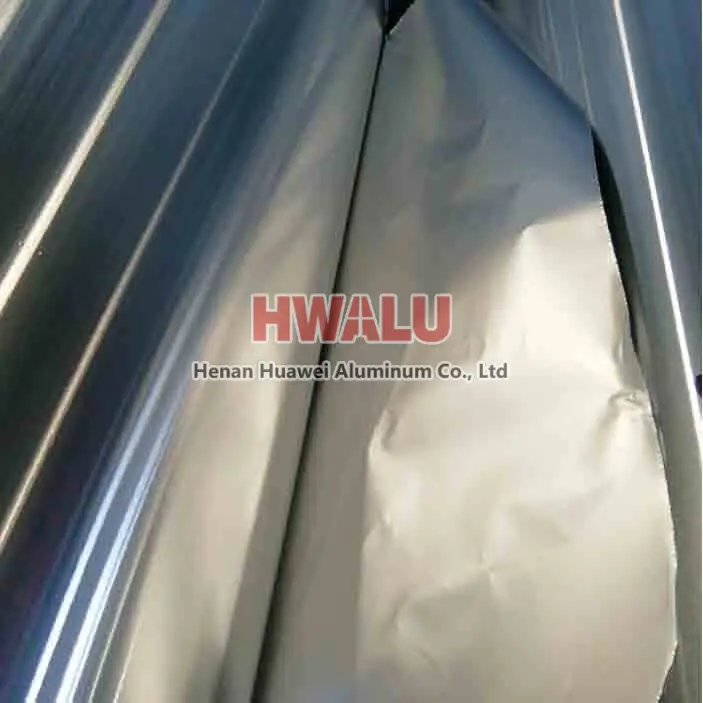
Introduction: At Huawei Aluminum, we take pride in being a leading manufacturer and wholesaler of high-quality aluminum foil paper designed specifically for food containers. With a commitment to excellence and precision, our 3003 Aluminum foil is engineered to meet the highest industry standards, ensuring the safety and reliability of your food packaging. Why Choose 3003 Aluminum for Food Containers? The c ...

Countries and regions where HWALU aluminum foil is sold well Asia: China, Japan, India, Korea, Malaysia, Vietnam, Indonesia, Thailand, Philippines, Singapore, etc. North America: United States, Canada, Mexico, etc. Europe: Germany, UK, France, Italy, Netherlands, Poland, Spain, Sweden, Switzerland, etc. Oceania: Australia, New Zealand, etc. Central and South America: Brazil, A ...
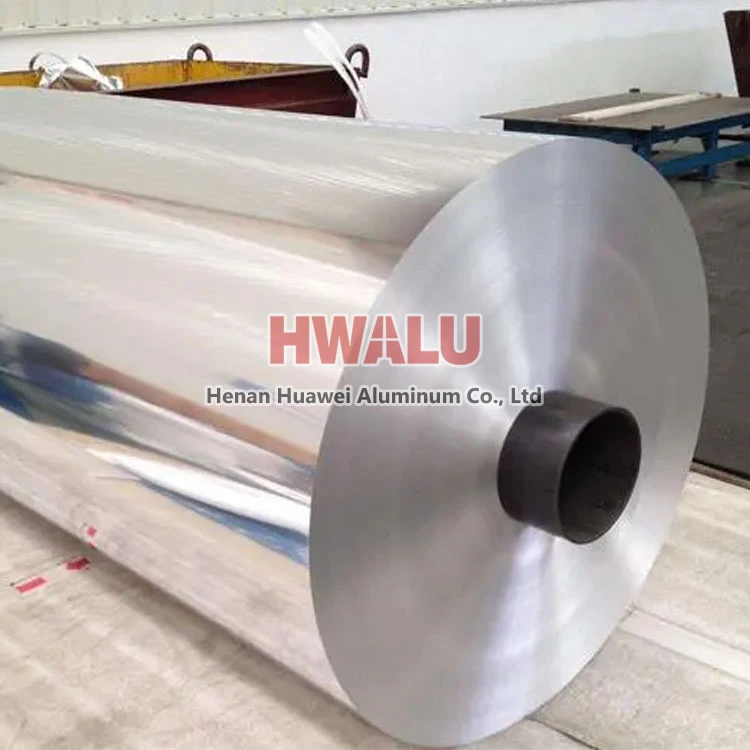
How to define light gauge aluminum foil? Light gauge aluminum foil usually refers to aluminum foil with a thickness of less than 0.01mm, that is, aluminum foil with a thickness of 0.0045mm~0.0075mm. 1mic=0.001mm Example: 6 mic aluminum foil, 5.3 mic aluminum foil Aluminum foil with thickness ≤40ltm can also be called "light gauge foil", and aluminum foil with thickness >40btm can be called "heavy gau ...
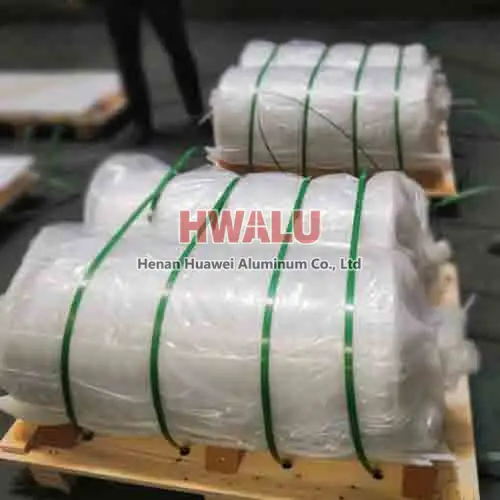
Welcome to Huawei Aluminum, your premier destination for Household Foil Jumbo Rolls 8011 Alloy. As a leading factory and wholesaler, we take pride in delivering top-quality products to meet your household, food packaging, and industrial aluminum foil needs. About Huawei Aluminum At Huawei Aluminum, we have a commitment to excellence, and we have been serving our clients with dedication for many years. Our e ...

What is aluminum foil for containers? Aluminum foil for containers is a type of aluminum foil specially designed for food packaging and storage. It is commonly used to make disposable food containers, trays, and pans for easy transport and for cooking, baking, and serving food. Aluminum foil for containers, often called aluminum food containers or aluminum foil food trays, is designed to meet specific requ ...
Aluminum foil is a thin sheet of aluminum metal that has the following properties: Lightweight: Aluminum foil is very lightweight because aluminium metal itself is a lightweight material. This makes aluminum foil an ideal material during packaging and shipping. Good sealing: The surface of aluminum foil is very smooth, which can effectively prevent the penetration of oxygen, water vapor and other gases, s ...
Aluminum foil lunch boxes made of aluminum foil can be processed into various shapes and are widely used in food packaging such as pastry baking, airline catering, takeaway, cooked food, instant noodles, instant lunch and other food fields. The aluminum foil lunch box has a clean appearance and good thermal conductivity. It can be heated directly on the original packaging with ovens, microwave ovens, steamers and ...
Aluminum foil is a packaging material with good characteristics. It has excellent barrier properties and can protect candies from moisture, light and air, helping to maintain freshness and extend shelf life. Aluminum foil also provides a good printing surface, which is very useful for branding and labeling. Therefore, aluminum foil can be used well for candy packaging. The most suitable aluminum foil alloy for ...
Aluminum foil has the following advantages in food packaging: Barrier property. Aluminum foil has excellent resistance to water, air (oxygen), light, and microorganisms, which are important factors in food spoilage. Therefore, aluminum foil has a good protective effect on food. Easy processing. Aluminum has a low melting point, good heat sealing, and easy molding. Can be processed into any shape according to ...
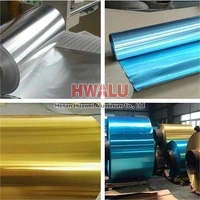
Anodized Aluminum Foil Overview Anodized aluminum foil is aluminum foil that has been anodized. Anodizing is an electrochemical process in which aluminum foil is immersed in an electrolyte solution and an electric current is applied. This causes oxygen ions to bond with the aluminum surface, forming a layer of aluminum oxide. It can increase the thickness of the natural oxide layer on the aluminum surface. This ...
Aluminum foil factories will pay special attention to the following details when processing aluminum foil: Cleaning: Aluminum foil is very sensitive to impurities, any dust, oil or other contaminants will affect the quality and performance of the aluminum foil. Therefore, before processing aluminum foil, the production workshop, equipment and tools must be thoroughly cleaned to ensure that there is no contamin ...