


Aluminum foil for bakeware overview Aluminum foil has long been the material of choice for bakeware foil, which is lightweight, thermally conductive, and non-toxic. Whether it is for professional chefs or home cooks, aluminum foil bakeware offers unparalleled convenience and performance. Aluminum foil for bakeware is designed to meet the needs of baking, grilling, and food preparation. This versatile material is ...

What is aluminum foil for bowls Aluminum foil for bowls refers to a kind of aluminum foil material used to cover food in bowls. It's usually a sheet of aluminum foil that wraps easily around the bowl and keeps food fresh and warm. Aluminum foil for bowls is commonly used for storing and heating food and can be used in the microwave or oven. There are multiple benefits to using aluminum foil for bowls, it can ...

What is aluminum foil for food Aluminum foil for food is a type of aluminum foil that is specifically designed and manufactured for use in food preparation, cooking, storage, and transport. It is commonly used in households and food service industries to wrap, cover, and store food items, as well as to line baking sheets and pans. Aluminum foil for food is available in various sizes, thicknesses, and strength ...

what is Aluminum Foil For Microwave Oven It is commonly used to cover or wrap food items during microwave cooking, reheating, or defrosting to prevent moisture loss, splattering, and to promote even heating. However, it is important to note that not all aluminum foil is safe for use in microwave ovens. Regular aluminum foil can cause sparks and potentially damage the microwave oven, or even start a fire. Ther ...

Aluminum foil alloys for food container lids Pure aluminum is a soft, light, and easy-to-process metal material with good corrosion resistance and thermal conductivity. It is often used to make the inner layer of food container lids to protect the freshness of food and prevent external contamination. In addition to pure aluminum, commonly used aluminum alloys include aluminum-silicon alloys, aluminum-magnesiu ...

1100 Aluminum Foil vs 1060 Aluminum Foil: Technical Comparison and Application Analysis Introduction 1100 aluminum foil and 1060 aluminum foil are both members of the 1000 series commercially pure aluminum alloys and are widely used in packaging, electrical, thermal, and industrial applications. Although they appear similar at first glance, differences in chemical composition, mechanical behavior, and function ...

Foil-icious Cookies: The Ultimate Guide to Perfectly Baked Treats on Aluminum Magic! Baking cookies is an art form cherished across generations, filled with numerous techniques, ingredients, and tools that influence the final flavor and appearance. Among these tools, aluminum foil—often viewed as a simple wrapping material—has gained surprising popularity among bakers for its versatility and magic-like influence ...

Baking and Grilling Packaging Solutions — Heat Resistance of 8011 Aluminum Foil 1. Introduction In the modern food industry, aluminum foil has become an indispensable material due to its excellent thermal stability, corrosion resistance, and adaptability to various packaging forms. Among all alloy grades, 8011 aluminum foil is widely used for baking, grilling, and high-temperature packaging solutions. Its abili ...
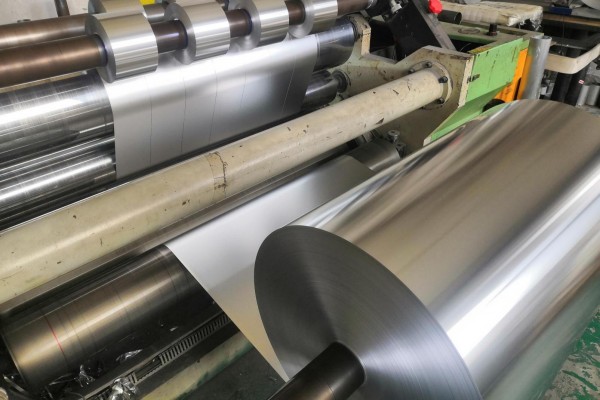
Comprehensive Guide to Lacquer Coated Aluminum Foil Coating Material With the increasing demands for material performance in food, pharmaceutical, and industrial packaging, Lacquer Coated Aluminum Foil has become a critical product in the deep processing of aluminum foil. By applying a functional organic coating to the foil surface, its corrosion resistance, adhesion strength, heat-seal performance, and process ...

The Ultimate Guide to Aluminum Foil Coating: Processes, Selection, and Global Supplier Sourcing Introduction: Looking for high-quality coated aluminum foil? This guide provides an in-depth analysis of the core differences between the four major coating processes—epoxy, polyester, heat-seal, and anti-corrosion—along with production workflows, key performance tests, and an actionable supplier evaluation checklist ...
Coated aluminum foil is formed after surface treatment on the basis of non-coated aluminum foil. In addition to the chemical composition, mechanical properties and geometric dimensions required by the above non-coated aluminum foil, it should also have good shape and shape. coating properties. 1. Plate type of aluminum foil: First of all, the production process of coated aluminum foil requires that the alum ...