

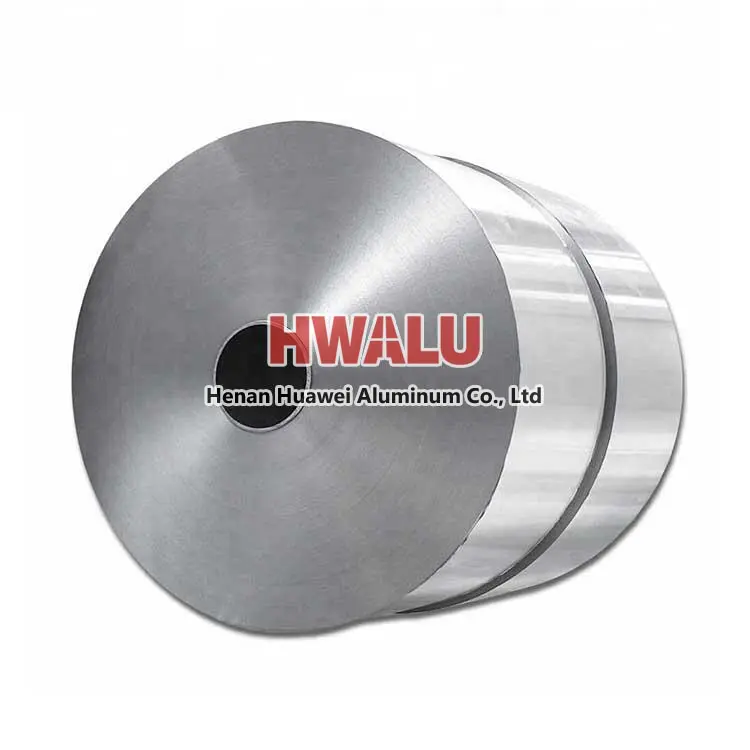
Single zero aluminum foil refers to aluminum foil with a thickness between 0.01mm ( 10 micron ) and 0.1mm ( 100 micron ). 0.01mm ( 10 micron ), 0.011mm ( 11 micron ), 0.012mm ( 12 micron ), 0.13mm ( 13 micron ), 0.14mm ( 14 micron ), 0.15mm ( 15 micron ), 0.16mm ( 16 micron ), 0.17mm ( 17 micron ), 0.18mm ( 18 micron ), 0.19mm ( 19 micron ) 0.02mm ( 20 micron ), 0.021mm ( 21 micron ), 0.022mm ( 22 micron ...
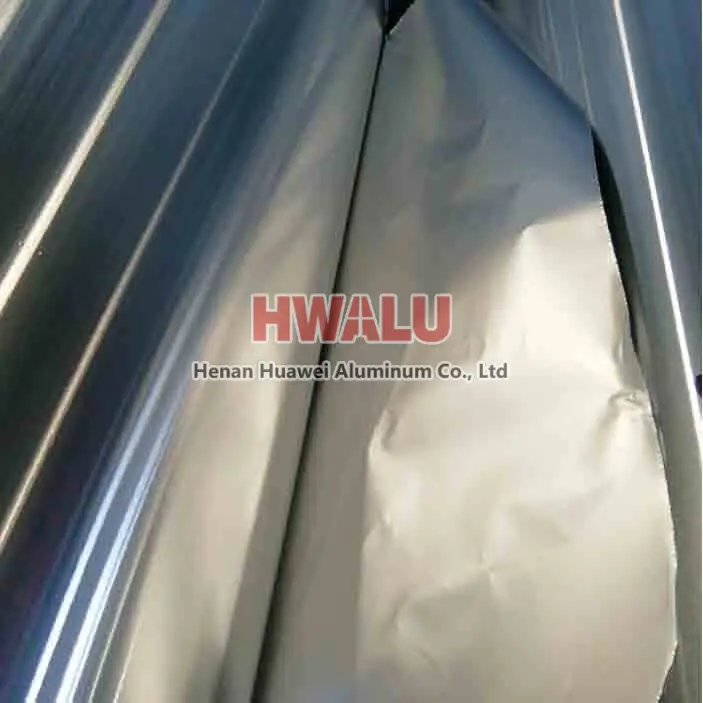
Introduction: At Huawei Aluminum, we take pride in being a leading manufacturer and wholesaler of high-quality aluminum foil paper designed specifically for food containers. With a commitment to excellence and precision, our 3003 Aluminum foil is engineered to meet the highest industry standards, ensuring the safety and reliability of your food packaging. Why Choose 3003 Aluminum for Food Containers? The c ...
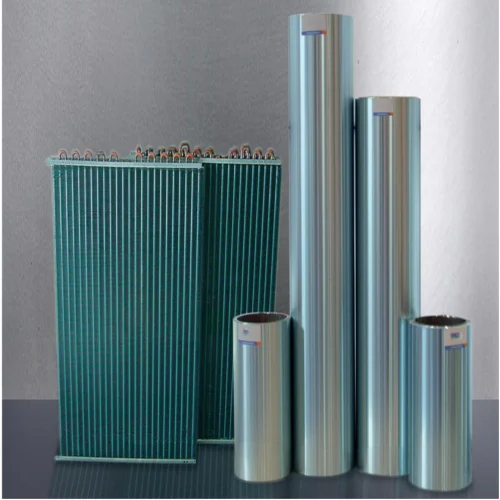
What is AC aluminum foil? Air conditioning aluminum foil, often called AC foil or HVAC foil, is a type of aluminum foil used in the heating, ventilation and air conditioning (HVAC) industry. Air-conditioning aluminum foil is usually used to make heat-conducting fins for air-conditioning heat exchange and air-conditioning evaporators. It is one of the important alloys used in air conditioning manufacturing raw ma ...

what is Cold forming alu alu foil? Cold forming blister foil can absolutely resist vapor, oxygen and UV rays with good performance of aroma barrier. Each blister is a single protection unit, no effect to barrier after opening first cavity. Cold forming foil is suitable to pack drugs that easy to be affected in wet regions and tropics. It can be shaped in various appearance by changing stamping mold. Simultane ...

what is 1145 alloy aluminum foil? 1145 alloy aluminum foil and its sister alloy 1235 have a minimum aluminum content of 99.45%, and the chemical and physical properties are almost the same. Occasionally, some production batches can be double-certified for 1145 and 1235 alloys. Like 1100 aluminum alloys, both are considered commercially pure alloys with excellent formability. Due to the high aluminum content, ...

Alloy type of aluminum foil for cosmetics 8011 aluminum foil 8021 alloy aluminum foil 8079 aluminum foil alloy Where is aluminum foil for cosmetics used in cosmetics? 1-Packaging: Some products in cosmetics, such as facial masks, eye masks, lip masks, patches, etc., usually use aluminum foil packaging, because aluminum foil has good moisture-proof, anti-oxidation, heat insulation, fresh-keeping and ...
1. Uncoated aluminum foil Uncoated aluminum foil refers to aluminum foil that has been rolled and annealed without any form of surface treatment. In my country 10 years ago, the aluminum foil used for air-conditioning heat exchangers in foreign countries about 15 years ago was all uncoated aluminum foil. Even at present, about 50% of the heat exchange fins used in foreign developed countries are still uncoated ...
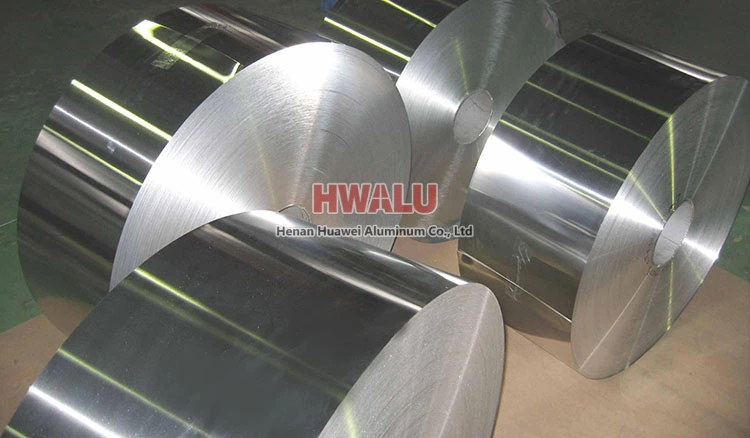
The performance differences between 3003 aluminum foil and aluminum plate are primarily related to its physical and mechanical properties and its intended application. Here are some of the main differences in performance: Formability: 3003 Aluminum Foil: 3003 aluminum foil is highly formable and can be bent, formed and folded easily. It is often used in applications that require flexibility and ease of mold ...
Aluminum foil is a versatile material with a wide range of uses across various industries and households. Here are some common uses of aluminum foil: Packaging: Aluminum foil is widely used in packaging applications. It is used to wrap food items, such as sandwiches, snacks, and leftovers, to keep them fresh and protect them from moisture, light, and odors. It is also used for packaging pharmaceutical products ...
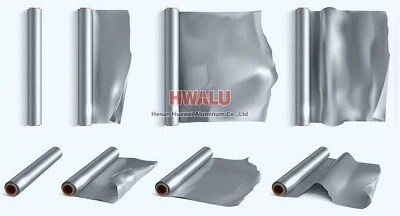
Aluminum foil is typically thinner than aluminum coil. Aluminum foil is typically available in various thicknesses, ranging from as thin as 0.005 mm (5 microns) up to 0.2 mm (200 microns). The most commonly used thicknesses for household aluminum foil are around 0.016 mm (16 microns) to 0.024 mm (24 microns). It is commonly used for packaging, cooking, and other household purposes. On the other hand, alumin ...
Aluminum foil factories will pay special attention to the following details when processing aluminum foil: Cleaning: Aluminum foil is very sensitive to impurities, any dust, oil or other contaminants will affect the quality and performance of the aluminum foil. Therefore, before processing aluminum foil, the production workshop, equipment and tools must be thoroughly cleaned to ensure that there is no contamin ...
Foil winding, aluminum foil to be tensioned, in order to maintain a certain tension, smooth, flat winding coil, the thicker the aluminum foil requires greater tension, the maximum tension of the coil winding machine is limited, exceeding the maximum tension of the machine is dangerous, the tension is too small winding coil loose, can not ensure the size requirements. Therefore, here is not to say that you want to ...