


Air conditioner aluminum foil Air-conditioning is indispensable to escape the heat in summer. As air-conditioning enters thousands of households, it is also constantly developing. At present, air conditioners are gradually developing in the direction of miniaturization, high efficiency, and long life. The air-conditioning heat exchange fins are also correspondingly developed in the direction of ultra-thin and hi ...
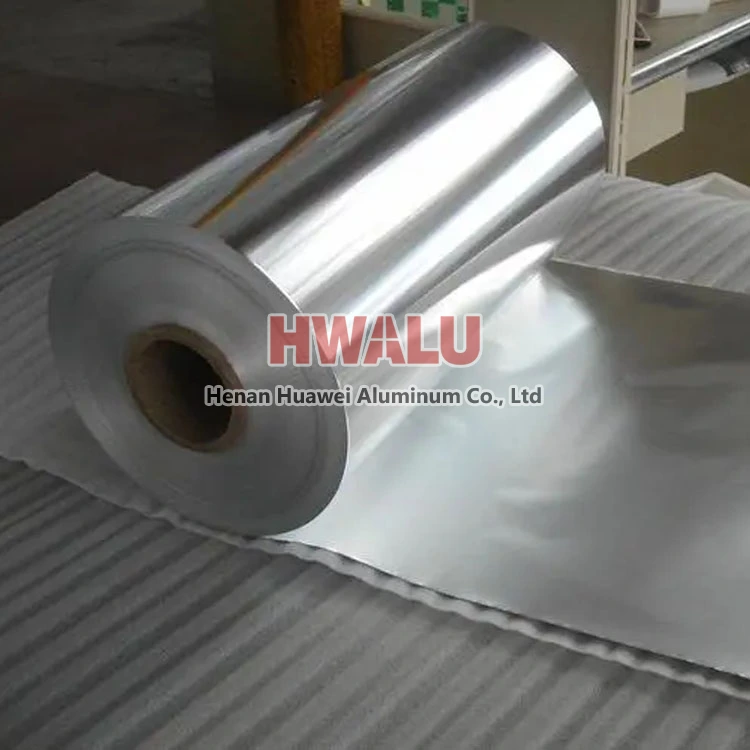
what is 1100 alloy aluminum foil 1100 alloy aluminum foil is a type of aluminum foil made from 99% pure aluminum. It is commonly used in various applications such as packaging, insulation, and electronics because of its excellent corrosion resistance, high thermal conductivity, and good electrical conductivity. 1100 alloy aluminum foil is soft and ductile, making it easy to work with and shape. It can be easi ...

Introduction of 8006 alloy aluminum foil 8006 alloy aluminum foil is a non-heat treatable aluminum alloy. The 8006 aluminum foil product has a bright surface and is degreasing clean. Especially suitable for making wrinkle-free lunch boxes. Huawei Aluminum's 8006 aluminum foil adopts hot rolling method, and the tensile strength is between 123-135Mpa. Technical parameters of aluminum foil 8006 Alloy 8 ...

What is thick aluminum foil Thick aluminum foil refers to a special type of aluminum foil that is thicker than regular aluminum foil. Usually, the thickness of the thick aluminum foil is between 0.2-0.3 mm, which is much thicker than regular aluminum foil. Like conventional aluminium foil, thick aluminum foil also has excellent properties, such as high electrical conductivity, fire prevention, corrosion resis ...
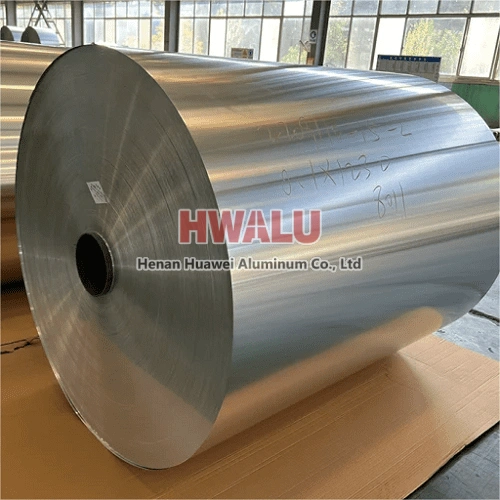
What is aluminium foil 11 micron? 11 micron aluminum foil refers to a thin sheet of aluminum that is approximately 11 microns (μm) thick. The term "micron" is a unit of length equal to one millionth of a meter. Aluminum foil 11 micron, also known as 0.0011mm aluminum foil, is a multifunctional material with excellent barrier properties, flexibility and conductivity. Aluminum foil thickness application Aluminu ...
Aluminum foil and aluminum coil are both versatile aluminum alloy materials used in different applications across various industries. Aluminum coil alloy and aluminum foil alloy have similar properties in many aspects, but also have many different characteristics. Huawei will make a detailed comparison between the two in terms of properties, uses, etc.: What are aluminum coils and aluminum foil? Aluminum Foil: ...
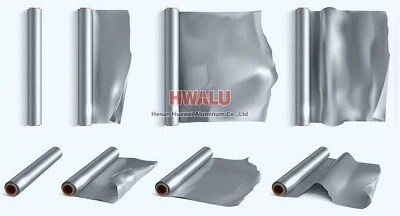
Aluminum foil is typically thinner than aluminum coil. Aluminum foil is typically available in various thicknesses, ranging from as thin as 0.005 mm (5 microns) up to 0.2 mm (200 microns). The most commonly used thicknesses for household aluminum foil are around 0.016 mm (16 microns) to 0.024 mm (24 microns). It is commonly used for packaging, cooking, and other household purposes. On the other hand, alumin ...
Cast-rolled aluminum foil production process Aluminum liquid, aluminum ingot -> Smelt -> Continuous roll casting -> Winding -> Cast roll finished product Plain foil production process Plain foil -> Cast-rolled coil -> Cold rolled -> Foil rolling -> Slitting -> Annealing -> Plain foil finished product The manufacture of aluminum foil is similar to making pasta at home. A large b ...
Aluminum foil has the following advantages in food packaging: Barrier property. Aluminum foil has excellent resistance to water, air (oxygen), light, and microorganisms, which are important factors in food spoilage. Therefore, aluminum foil has a good protective effect on food. Easy processing. Aluminum has a low melting point, good heat sealing, and easy molding. Can be processed into any shape according to ...
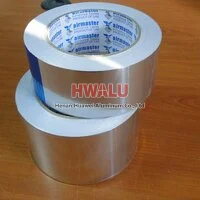
Aluminum foil is a good packaging material and can be used for food packaging and pharmaceutical packaging. It can also be used as a conductive material. As a conductive material, aluminum foil has many advantages compared with other metals. What is the difference in conductivity between aluminum foil and other metals? This article will describe how aluminum foil conducts electricity compared to other metals. ...
Aluminum foil is often used in our daily life, especially when we use microwave oven to heat food quickly. Can aluminum foil be used in microwave oven? Is it safe to do this? Please pay attention to the difference of microwave oven function, because different function mode, its heating principle is completely different, and the utensils used are also different. Now the market in addition to the microwave oven ...