


Overview of aluminum foil for electronic products As one of the core materials of electronic devices, aluminum foil for electronic products has always been the focus of electrical appliance manufacturers. As a term that doesn't come up very often, you might have questions about it. What is aluminum foil for electronic products? What are the classifications of aluminum foil for electronic products? What are the a ...

what is Industrial Aluminum Foil? Industrial aluminum foil is a kind of aluminium foil material used in industrial production, which is usually thicker and wider than ordinary household aluminium foil, and is more suitable for harsh industrial environments such as high temperatures and high pressure. Industrial size aluminium foil has good electrical conductivity, thermal conductivity, and corrosion resistanc ...

What is aluminum foil for baking? Aluminum foil for baking is a type of aluminum foil that is commonly used in cooking and baking to wrap, cover, or line various types of food items. It is made from a thin sheet of aluminum that is rolled out and then processed through a series of rollers to achieve the desired thickness and strength. Aluminum foil for baking is typically designed to be non-stick and heat-res ...

Parameters of aluminum foil for hairdressing Alloy: 8011 Temper: soft Type: roll Thickness: 9mic-30mic Length: 3m-300m Width: Custom Size Accepted Color: Customers' Request Treatment: Printed, Embossed Use: hair dressing Production: Hair Salon Foils, Hair Dressing Foil Main features and advantages of hairdressing foil: It is suitable for bleaching and dyeing h ...
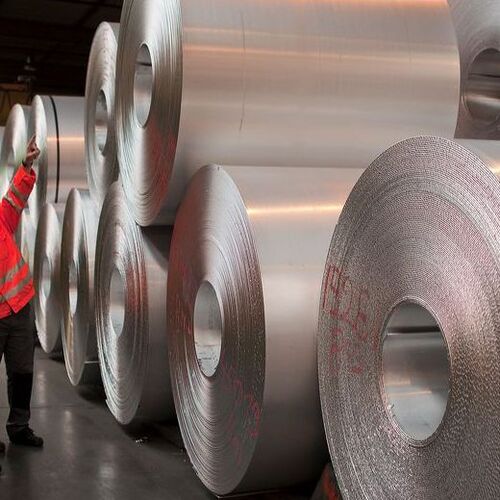
Introduction to industrial aluminum foil What is industrial aluminum foil? Aluminum foil is a kind of aluminum rolled material. Aluminum foil mainly refers to thickness. In the industry, aluminum products with a thickness of less than 0.2mm are usually called aluminum foil. They are usually cut longitudinally at the edges and delivered in rolls. Industrial aluminum foil, as the name suggests, is an aluminum foil ...

Can Aluminium Foil Be Used in an Air Fryer? In large-scale air fryer applications—such as restaurant chains and food processing facilities—many enterprise users frequently ask: Can aluminium foil be put in an air fryer? The answer is clear: high-quality food grade aluminium foil can be used safely, provided that the foil is properly matched to air fryer operating conditions and used in a controlled manner. ...

Battery Connector for Energy Storage Battery Systems: Design, Materials, and Performance Impact Battery connector for energy storage battery systems is a critical component that directly influences electrical efficiency, thermal safety, and long-term reliability in modern stationary energy storage applications. 1. What Is a Battery Connector in Energy Storage Systems? A battery connector, often referred ...

The biggest feature of aluminum foil is its light weight and wide range of uses, suitable for aviation, construction, decoration, industry and other industries. Aluminum is very cost-effective, and its electrical conductivity is second only to that of copper, but the price is much cheaper than that of copper, so many people now choose aluminum as the main material for wires. 1060, 3003, 5052 are several common ...

The Ultimate Choice for Candy Packaging Foil: An In-Depth Analysis of 1235 vs. 8011 Alloys In the fiercely competitive candy market, packaging has long transcended its basic function of containment. It has become the face of the brand, the guardian of product quality, and the first touchpoint of the consumer experience. A thin yet crucial foil seal directly determines whether a candy retains its crispness on the ...
It is generally believed that the single-sheet rolling speed of the aluminum foil should reach 80% of the rolling design speed of the rolling mill. Huawei Aluminum Company introduced a 1500 mm four-high irreversible aluminum foil roughing mill from Germany ACIIENACH. The design speed is 2 000 m/min. At present, the single-sheet aluminum foil rolling speed is basically at the level of 600m/miT, and the domestic si ...
A watch, two, feel, three, folding, four, twist, 5, knife scraping, 6, fire method, to help you identify the plastic composite packaging is made of aluminum foil or aluminum film material. Two, watch: the brightness of the packaging aluminum layer is not as bright as the aluminum plated film, that is, the packaging made of aluminum foil is not as bright as the packaging made of the aluminum plated film. Alumin ...