

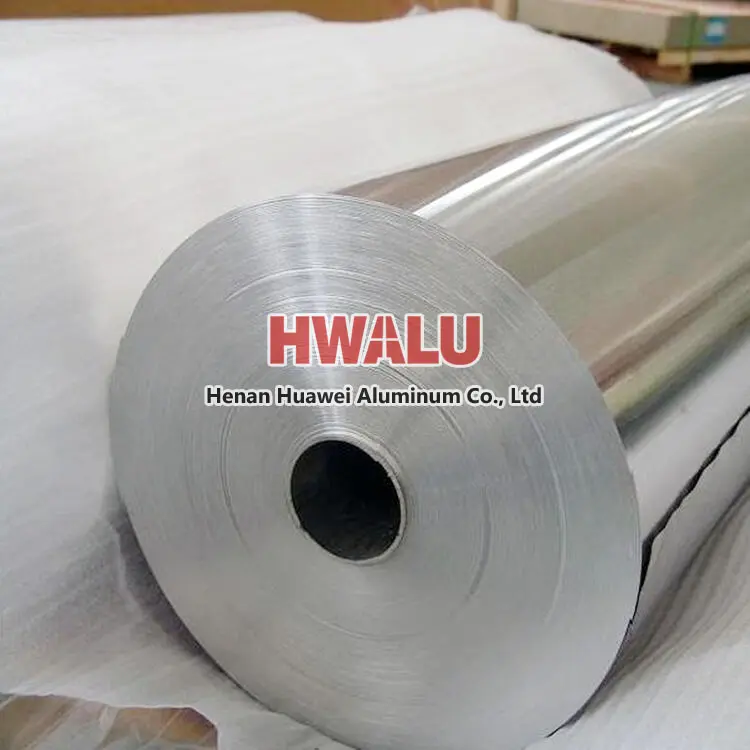
Introduction of 8011 alloy aluminum foil 8011 alloy aluminum foil is added Al-Fe-Si elements, more than 1% of the total alloying elements in the corresponding performance of its alloy has a higher advantage, mainly for food packaging, and pharmaceutical packaging. Machinable range of thickness: 0.02mm-0.07mm, width 300mm-1100mm, can be customized according to customer needs. General parameters of aluminu ...
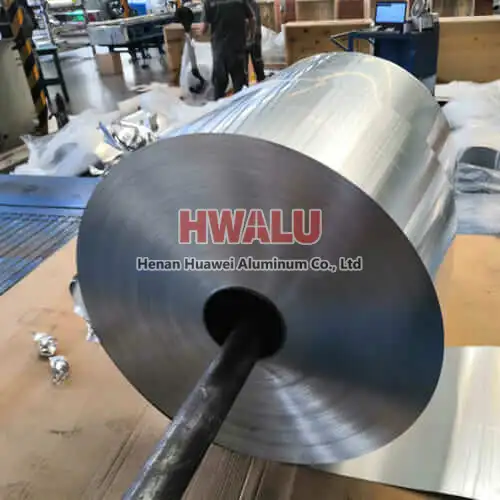
Introduction Of Best Price Aluminium Foil Roll 3003 Aluminium foil roll 3003 is a common product of Al-Mn series alloys. Because of the addition of alloy Mn element, it has excellent rust resistance, weldability and corrosion resistance. Main tempers for Aluminium foil roll 3003 are H18, H22 and H24. Similarly, 3003 aluminum foil is also a non-heat treated alloy, so a cold working method is used to improv ...

What is aluminum foil for wine Aluminum foil for wine has excellent properties such as moisture-proof, anti-oxidation, heat insulation, and odor insulation, which can protect the quality and taste of wine products. In wine packaging, common aluminum foil materials include aluminized polyester film, aluminized polyamide film, etc. Aluminum foil for wine usually has a certain thickness and strength, which ca ...
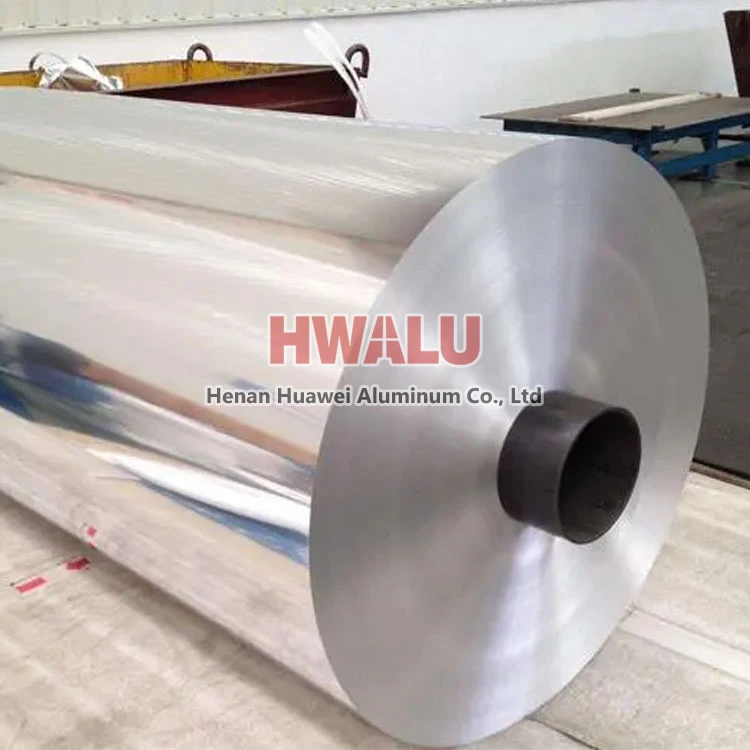
How to define light gauge aluminum foil? Light gauge aluminum foil usually refers to aluminum foil with a thickness of less than 0.01mm, that is, aluminum foil with a thickness of 0.0045mm~0.0075mm. 1mic=0.001mm Example: 6 mic aluminum foil, 5.3 mic aluminum foil Aluminum foil with thickness ≤40ltm can also be called "light gauge foil", and aluminum foil with thickness >40btm can be called "heavy gau ...

What is aluminum foil for sealing Aluminum foil for sealing is a kind of aluminum foil used for sealing packaging. It is usually composed of aluminum foil and plastic film and other materials, and has good sealing performance and fresh-keeping performance. Aluminum foil for sealing is widely used in the packaging of food, medicine, cosmetics, medical equipment and other industries. Aluminum foil for sealing i ...
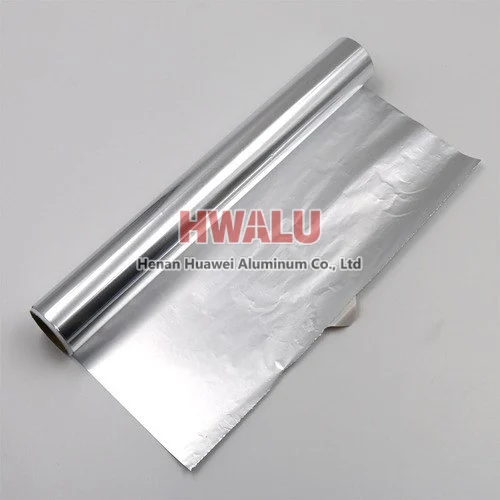
What is 13 micron aluminum foil? "Aluminum Foil 13 Micron" is a thin and light aluminum foil that falls within the thickness range of household aluminum foil and is commonly used for various packaging and insulation purposes. It is a very common thickness specification. 13 micron aluminum foil equivalent name 13μm aluminum foil 0.013mm aluminum foil Household packaging aluminum foil 13 micron aluminum foil ...
1. Chemical composition: The alloy grades of aluminum foil for heat exchange fins mainly include 1100, 1200, 8011, 8006, etc. From the perspective of use, air conditioners do not have strict requirements on the chemical composition of aluminum heat exchange fins. Without surface treatment, 3A21 aluminum alloy has relatively good corrosion resistance, high mechanical properties such as strength and elongation, ...
The most commonly used aluminum foil alloy in food packaging applications is 8011. Aluminum alloy 8011 is a typical alloy of aluminum foil and has become the industry standard for food packaging due to its excellent properties. Here are some reasons why alloy 8011 is ideal for food packaging: Good Barrier Performance: The aluminum foil made of 8011 alloy can effectively block moisture, oxygen and light, helpin ...
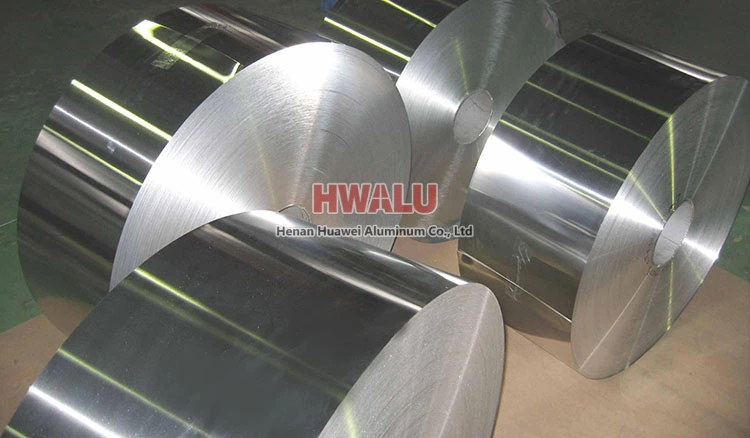
The performance differences between 3003 aluminum foil and aluminum plate are primarily related to its physical and mechanical properties and its intended application. Here are some of the main differences in performance: Formability: 3003 Aluminum Foil: 3003 aluminum foil is highly formable and can be bent, formed and folded easily. It is often used in applications that require flexibility and ease of mold ...
In the production process of aluminum foil, there are multiple processes such as rolling, finishing, annealing, packaging, etc. The interlocking production process, any problem in any link may cause aluminum foil quality problems. The quality defects of the purchased aluminum foil products will not only affect the appearance, but also directly affect the quality of the products produced, and even more directly ca ...
A watch, two, feel, three, folding, four, twist, 5, knife scraping, 6, fire method, to help you identify the plastic composite packaging is made of aluminum foil or aluminum film material. Two, watch: the brightness of the packaging aluminum layer is not as bright as the aluminum plated film, that is, the packaging made of aluminum foil is not as bright as the packaging made of the aluminum plated film. Alumin ...
It is a characteristic of aluminum box rolling that the thickness deviation is difficult to control. The thickness difference of 3% is not difficult to control in the production of plate and strip, but it is more difficult to control in the production of aluminum foil. As the thickness of the aluminum box becomes thinner, its micro-conditions can affect it, such as temperature, oil film, and oil and gas concen ...