


What is the aluminum foil of the burner cover? The aluminum foil cover for the burner head is aluminum foil cover used to protect the burner head. A burner refers to a flame nozzle used on a gas stove, gas stove, or other gas appliances, which is used to mix gas and air and ignite it to produce a flame. During long-term use, grease and dust may accumulate on the surface of the burner, which may affect the qua ...
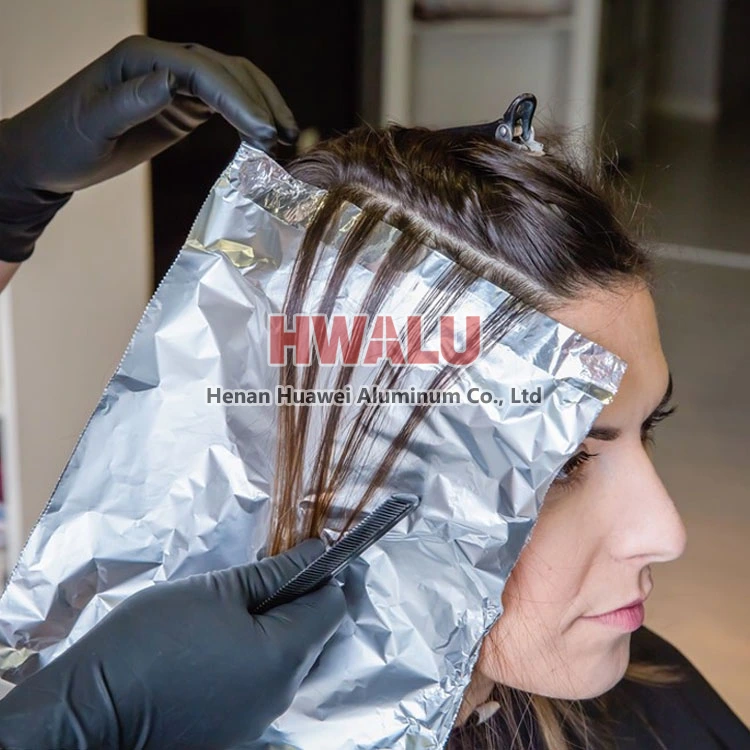
Why does hair use aluminum foil? The use of aluminum foil for hair is often done during hair coloring, especially when a specific pattern or effect is desired. Aluminum foil can help isolate and hold the hair dye in place, ensuring it only goes where it's needed, creating a more precise and detailed finish. When coloring hair, hairdressers usually divide the hair to be colored into sections and wrap each sect ...

Alloy parameters of aluminum foil for cups Aluminium foil for cups is usually made of aluminium alloy materials with good processability and corrosion resistance, mainly including 8000 series and 3000 series. --3003 aluminum alloy Alloy composition Al 96.8% - 99.5%, Mn 1.0% - 1.5% Physical properties density 2.73g/cm³, thermal expansion coefficient 23.1×10^-6/K, thermal conductivity 125 W/(m K), e ...

why aluminum foil is used to wrap chocolate? How does aluminum foil protect chocolate? We found that both the inside and outside of the chocolate must have the shadow of aluminum foil! One is that chocolate is easy to melt and lose weight, so chocolate needs packaging that can ensure that its weight does not lose, and aluminum foil can effectively ensure that its surface does not melt; The second is the c ...

What is aluminum foil for hookah Aluminum foil for hookah is a type of aluminum foil that is specifically designed and marketed for use in hookahs or water pipes. It is commonly used to cover the bowl of the hookah and hold the tobacco or shisha that is smoked through the pipe. Hookah foil is typically thinner than other types of aluminum foil, making it more pliable and easier to fit over the hookah bowl. It ...
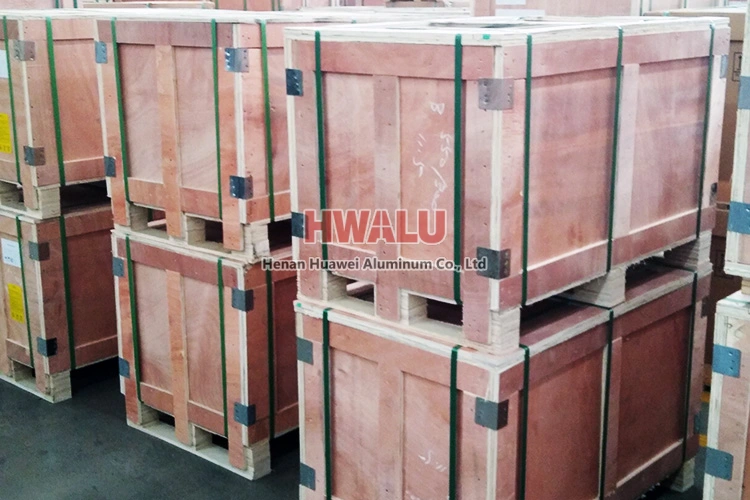
Household foil is widely used in cooking, freezing, preservation, baking and other industries. The disposable aluminum foil paper has the advantages of convenient use, safety, sanitation, no odor and no leakage. In the refrigerator or freezer, aluminum foil can be directly wrapped on the food, which can keep the food from deformation, avoid the water loss of fish, vegetables, fruits and dishes, and prevent the le ...
Nowadays, many female companions attach great importance to beauty and skin care. Women who are busy with their lives and work often use facial masks for skin care, which can provide sufficient nutrients for the facial skin and make the skin healthier and more energetic. With the increasing demand for facial masks, many manufacturers now make and produce facial masks. In order to improve the storage time of facia ...
Aluminum foil is often colloquially referred to as "tin foil" due to historical reasons and similarities in appearance between the two materials. However, it's important to note that aluminum foil and tin foil are not the same thing. Here's why aluminum foil is sometimes called "tin foil": Historical Context: The term "tin foil" originated at a time when actual tin was used to create thin sheets for wrappin ...
Aluminum foil lunch box is a new type of non-toxic and environmentally friendly tableware. 1. The main ingredient in the aluminum foil lunch box is aluminum, so it will react with acid like aluminum cans, and the salt produced by aluminum and organic acids will react with gastric acid to produce aluminum chloride, so we need to use it. Note that, generally speaking, it is often used for steaming rice. There is ...
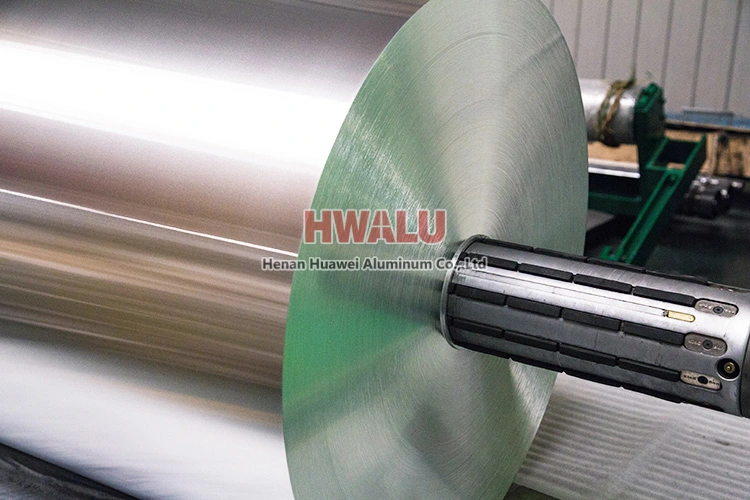
Product name: 8011 aluminum foil roll ID: 76MM, MAX ROLL WEIGHT: 55kg ITEM SPECIFICATION (MM) ALLOY / TEMPER 1 0.015*120 8011 O 2 0.012*120 8011 O 3 0.015*130 8011 O 4 0.015*150 8011 O ID: 76MM, MAX ROLL WEIGHT: 100 kg 5 0.015*200 8011 O
Since aluminum foil has shiny and matte sides, most of the resources found on search engines say this: When cooking food wrapped or covered with aluminum foil, the shiny side should face down, facing the food, and the dumb side Glossy side up. This is because the glossy surface is more reflective, so it reflects more radiant heat than matte, making the food easier to cook. Is it really? Let's analyze the heat ...