


Aluminum foil thickness for different purposes Alloy Alloy state Typical thickness(mm) Processing methods End use smoke foil 1235-O、8079-O 0.006~0.007 Composite paper, coloring, printing, etc. Used in cigarette packaging after lining, printing or painting. Flexible packaging foil 8079-O、1235-O 0.006~0.009 Composite paper, plastic film embossing, coloring, printi ...

Honeycomb Aluminium foil Details Typical alloy 3003 5052 Temper O,H14, H16, H22, H24, O、H12、H14、H16、H18、H19、H22、H24、H26 Thickness (mm) 0.005-0.2 0.03-0.2 Width (mm) 20-2000 20-2000 Length (mm) Customized Treatment mill finish payment method LC/TT what is Honeycomb aluminum foil? Honeycomb aluminum foil has the advantages of light weight, high strengt ...

8011 O 0.014mm Aluminum Foil for Food Containers I. Product Overview 8011 O Temper 0.014mm aluminum foil is a food-grade rolled material specifically developed for the stamping and forming of food containers. It stands as the most versatile and cost-effective aluminum foil substrate in the global disposable food packaging industry. Perfectly balancing softness, formability, and food safety, it is the preferred ...

Advantages and main applications of aluminum foil food packaging Aluminum foil food packaging is beautiful, lightweight, easy to process, and easy to recycle; aluminum foil packaging is safe, hygienic, and helps maintain the aroma of food. It can keep food fresh for a long time and provide protection from light, ultraviolet rays, grease, water vapor, oxygen and microorganisms. In addition, please be aware of th ...

Aluminum foil can be customized size Thickness: 0.006mm - 0.2mm Width: 200mm - 1300mm Length: 3 m - 300 m In addition, customers can also choose different shapes, colors, printing and packaging methods according to their needs. If you need custom aluminum foil, please contact us, we can provide you with options and customized services. Aluminum foil type According to the processin ...

Can aluminum foil be used in food containers? Aluminum foil, as a metal material, is commonly used in the manufacture of food containers. Aluminum foil containers are a popular choice for packaging and storing all types of food due to their lightweight, corrosion resistance and thermal conductivity properties. Has many characteristics. 1. Aluminum foil container has corrosion resistance: the surface of alumin ...

Battery Connector for Energy Storage Battery Systems: Design, Materials, and Performance Impact Battery connector for energy storage battery systems is a critical component that directly influences electrical efficiency, thermal safety, and long-term reliability in modern stationary energy storage applications. 1. What Is a Battery Connector in Energy Storage Systems? A battery connector, often referred ...
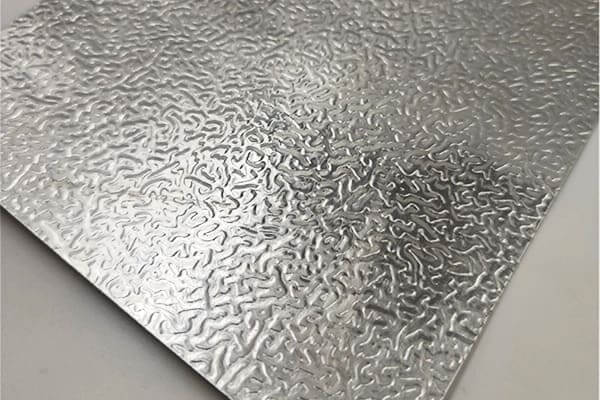
You have likely seen stucco aluminum foil many times without realizing it. It’s the textured, metallic skin wrapping industrial pipes, the durable lining inside a commercial freezer, and the decorative finish on modern architectural panels. This unique material is far more than just a simple foil; its distinctive embossed pattern provides a powerful combination of durability, functionality, and aesthetic ap ...

Epoxy Coated Aluminum Foil: A Detailed Guide to Manufacturing Technology and Applications In the fields of high-end packaging, electromagnetic shielding, and advanced composite materials, Epoxy Coated Aluminum Foil has become a critical functional material due to its excellent adhesion, corrosion resistance, and customizable electrical properties. This article provides a systematic, in-depth analysis of its cor ...

Aluminum Coated Foil Sheet: Industry Insights, Core Technologies, and Supplier Evaluation Guide Driven by both consumer upgrading and industrial innovation, coated aluminum foil has evolved from a basic packaging material into an advanced composite that meets high-barrier, multifunctional, and sustainability demands. As a critical link between the aluminum substrate and end applications, the technological prowes ...
Aluminum foil packaging development history: Aluminum foil packaging began in the early 20th century, when aluminum foil as the most expensive packaging material, only used for high-grade packaging. In 1911, the Swiss confectionery company began wrapping chocolate in aluminum foil, gradually replacing tinfoil in popularity. In 1913, based on the success of aluminum smelting, the United States began to produce ...

Decoding Heavy Duty Aluminum Foil Thickness: A Guide to Strength and Performance In kitchens and industries worldwide, aluminum foil is an indispensable tool. But not all foil is created equal. The term "heavy duty" is more than just a marketing label; it is a direct promise of enhanced performance, and that promise is fundamentally rooted in one critical, measurable attribute: thickness. Understanding heavy ...