


What is aluminum foil for sealing Aluminum foil for sealing is a kind of aluminum foil used for sealing packaging. It is usually composed of aluminum foil and plastic film and other materials, and has good sealing performance and fresh-keeping performance. Aluminum foil for sealing is widely used in the packaging of food, medicine, cosmetics, medical equipment and other industries. Aluminum foil for sealing i ...

What is Aluminum Foil? Aluminum Foil Roll Aluminum foil roll for aluminum foil refers to a raw material used to produce aluminum foil, usually an aluminum foil roll with a certain width and length. Aluminum foil is a very thin aluminum material, its thickness is usually between 0.005 mm and 0.2 mm, and it has good electrical and thermal conductivity and corrosion resistance. Aluminum foil jumbo rolling Aluminu ...

What is aluminum foil for wrapping Aluminum foil for wrapping is a thin, flexible sheet of aluminum that is commonly used for wrapping food items or other objects for storage or transportation. It is made from a sheet of aluminum that has been rolled out to a desired thickness and then processed through a series of rollers to give it the desired strength and flexibility. Aluminum foil for wrapping is availabl ...

5052 Aluminum Foil Henan Huawei Aluminum Co., Ltd., as a leader among many aluminum manufacturers and suppliers in China, has been deeply engaged in the aluminum processing industry for many years, focusing on the R&D, production and sales of 5052 aluminum foil. 5052 aluminum foil is a common aluminum alloy material, which is made of aluminum as the base material and scientifically added with magnesium and ...

What is thick aluminum foil Thick aluminum foil refers to a special type of aluminum foil that is thicker than regular aluminum foil. Usually, the thickness of the thick aluminum foil is between 0.2-0.3 mm, which is much thicker than regular aluminum foil. Like conventional aluminium foil, thick aluminum foil also has excellent properties, such as high electrical conductivity, fire prevention, corrosion resis ...

The Ultimate Guide to Aluminum Foil Coating: Processes, Selection, and Global Supplier Sourcing Introduction: Looking for high-quality coated aluminum foil? This guide provides an in-depth analysis of the core differences between the four major coating processes—epoxy, polyester, heat-seal, and anti-corrosion—along with production workflows, key performance tests, and an actionable supplier evaluation checklist ...
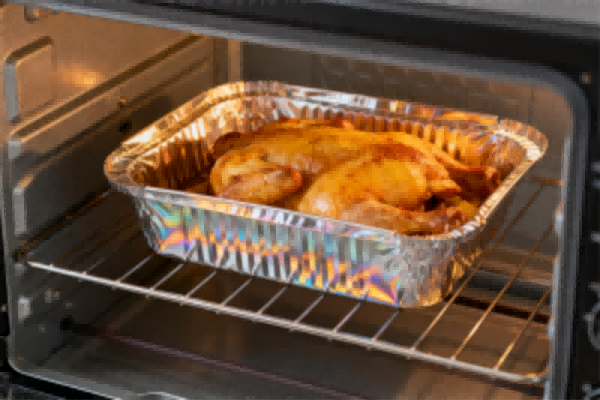
Food-Grade Baking aluminum Foil for Cooking In the application scenarios of baking appliances such as air fryers and ovens, the "material adaptability" and "process standardization" of food-grade baking foil directly determine its safety, durability, and performance. Unlike ordinary kitchen aluminum foil, this specialized foil requires precise alloy composition design and strict production process control to mee ...
ITEM SIZE (MM) ALLOY / TEMPER WEIGHT (KGS) ALUMINIUM FOIL, ID: 76MM, ROLL LENGTH: 12000 - 13000 meters 1 0.007*1270 1235 O 18000.00

Barrier Performance Analysis of 8011 Aluminum Foil for Ready-to-Eat Food Sealing Applications Introduction: Why Barrier Performance Defines the Safety and Shelf Stability of Ready-to-Eat Foods The rapid expansion of the ready-to-eat (RTE) food market—spanning retort meals, shelf-stable snacks, instant porridges, self-heating hotpots, room-temperature beverages, meal kits, and high-moisture prepared dishes—has s ...
Aluminum foil has the following advantages in food packaging: Barrier property. Aluminum foil has excellent resistance to water, air (oxygen), light, and microorganisms, which are important factors in food spoilage. Therefore, aluminum foil has a good protective effect on food. Easy processing. Aluminum has a low melting point, good heat sealing, and easy molding. Can be processed into any shape according to ...

Food-Grade Aluminum Foil Certification Requirements The global regulatory landscape for food-grade aluminum foil has evolved rapidly, driven by stricter food safety laws, advanced migration testing methods, and increasing consumer awareness. Today, achieving qualification is no longer limited to meeting basic national standards—it requires a multilayered system touching metallurgy, surface chemistry, process va ...