


Alloy parameters of aluminum foil for cups Aluminium foil for cups is usually made of aluminium alloy materials with good processability and corrosion resistance, mainly including 8000 series and 3000 series. --3003 aluminum alloy Alloy composition Al 96.8% - 99.5%, Mn 1.0% - 1.5% Physical properties density 2.73g/cm³, thermal expansion coefficient 23.1×10^-6/K, thermal conductivity 125 W/(m K), e ...

1. Introduction 1.1 What Is Heavy Duty Aluminum Foil? Heavy Duty Aluminum Foil features greater thickness than standard household foil, making it a distinct grade of aluminum foil. While standard foil typically ranges from about 0.012 millimeters (mm) to 0.018 mm (approximately 0.47 to 0.71 mils), heavy duty aluminum foil generally boasts a thickness starting from 0.020 mm (around 0.8 mils) and can go up to ...

8079 O-Temper 0.02mm Ultra-Thin Aluminum Foil 1. Introduction: The "Fluid Mechanics" Level Leap in Packaging Materials If traditional aluminum foil is the industry's "Structural Steel," then 0.02mm 8079 O-temper foil is the material world's "Silicone." In modern high-end packaging systems, material properties have completely shifted from mere "protective consumables" to "functional engineering fluids." It m ...
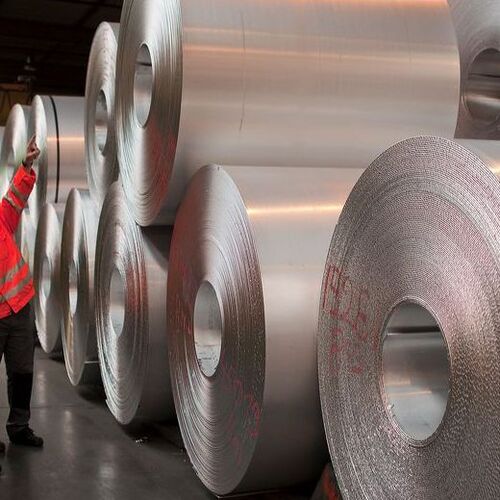
Introduction to industrial aluminum foil What is industrial aluminum foil? Aluminum foil is a kind of aluminum rolled material. Aluminum foil mainly refers to thickness. In the industry, aluminum products with a thickness of less than 0.2mm are usually called aluminum foil. They are usually cut longitudinally at the edges and delivered in rolls. Industrial aluminum foil, as the name suggests, is an aluminum foil ...

8011 aluminum foil for dairy packaging I. Foreword: Upgrading Dairy Packaging Drives the Iteration of High-Performance Materials With the continuous expansion of the global dairy consumption market, consumers are imposing increasingly stringent requirements on the quality, freshness, and shelf life of dairy products. Dairy products are rich in active nutrients, making them highly susceptible to external envi ...

what is Aluminum Foil For Microwave Oven It is commonly used to cover or wrap food items during microwave cooking, reheating, or defrosting to prevent moisture loss, splattering, and to promote even heating. However, it is important to note that not all aluminum foil is safe for use in microwave ovens. Regular aluminum foil can cause sparks and potentially damage the microwave oven, or even start a fire. Ther ...
In the production process of aluminum foil, there are multiple processes such as rolling, finishing, annealing, packaging, etc. The interlocking production process, any problem in any link may cause aluminum foil quality problems. The quality defects of the purchased aluminum foil products will not only affect the appearance, but also directly affect the quality of the products produced, and even more directly ca ...

The Ultimate Guide to Aluminum Foil Coating: Processes, Selection, and Global Supplier Sourcing Introduction: Looking for high-quality coated aluminum foil? This guide provides an in-depth analysis of the core differences between the four major coating processes—epoxy, polyester, heat-seal, and anti-corrosion—along with production workflows, key performance tests, and an actionable supplier evaluation checklist ...
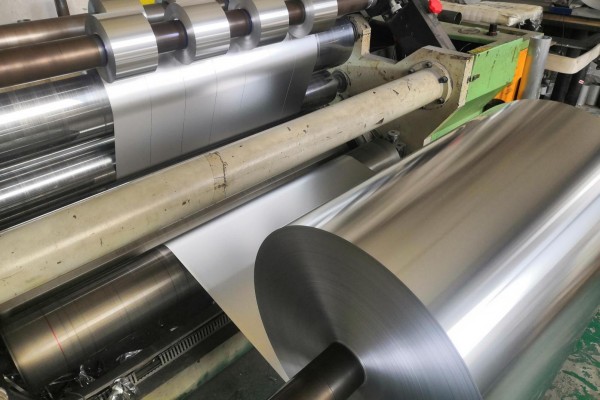
Comprehensive Guide to Lacquer Coated Aluminum Foil Coating Material With the increasing demands for material performance in food, pharmaceutical, and industrial packaging, Lacquer Coated Aluminum Foil has become a critical product in the deep processing of aluminum foil. By applying a functional organic coating to the foil surface, its corrosion resistance, adhesion strength, heat-seal performance, and process ...

Barrier Performance Analysis of 8011 Aluminum Foil for Ready-to-Eat Food Sealing Applications Introduction: Why Barrier Performance Defines the Safety and Shelf Stability of Ready-to-Eat Foods The rapid expansion of the ready-to-eat (RTE) food market—spanning retort meals, shelf-stable snacks, instant porridges, self-heating hotpots, room-temperature beverages, meal kits, and high-moisture prepared dishes—has s ...

The Difference Between Steel and Aluminum What is aluminum metals? Do you know aluminum? Aluminum is a metal element that is abundant in nature. It is a silvery-white light metal with good ductility, corrosion resistance, and lightness. Aluminum metal can be made into rods (aluminum rods), sheets (aluminum plates), foils (aluminum foil), rolls (aluminum rolls), strips (aluminum strips), and wires. Aluminum ...
Food packaging: Aluminum foil packaging can also be used for food packaging because it is highly malleable: it can easily be converted into flakes and folded, rolled up or wrapped. Aluminum foil completely blocks light and oxygen (resulting in fat oxidation or decay), smell and aroma, moisture and bacteria, and can therefore be widely used in food and pharmaceutical packaging, including long-life packaging (asep ...