


what is 1145 alloy aluminum foil? 1145 alloy aluminum foil and its sister alloy 1235 have a minimum aluminum content of 99.45%, and the chemical and physical properties are almost the same. Occasionally, some production batches can be double-certified for 1145 and 1235 alloys. Like 1100 aluminum alloys, both are considered commercially pure alloys with excellent formability. Due to the high aluminum content, ...

8079 aluminum foil for retort pouch I. Introduction: Why Are Material Requirements for Retort Pouches So Stringent? With the rapid expansion of the ready-to-eat food, prepared meals, pet food, and medical sterile packaging sectors, retort pouches have emerged as one of the most reliable flexible packaging solutions worldwide. Unlike standard flexible packaging, retort pouches must endure harsh high-temperature ...

1. Introduction to Insulated Aluminum Foil 1.1 What Is Insulated Aluminum Foil? Insulated aluminum foil is a high-performance composite material that merges the reflective and protective properties of aluminum foil with the insulating capabilities of secondary materials. At its core, it consists of a thin aluminum foil layer—ranging from 6 to 200 microns—bonded to thermal or electrical insulating materials s ...

1060 aluminium foil introduction 1060 aluminium foil is a pure aluminium product in the 1 series, with 1060 Al content of 99.6% and only a very small amount of other elements. Therefore, 1060 aluminium foil retains the excellent ductility, corrosion resistance, electrical conductivity, thermal conductivity, etc. of pure aluminium. Aluminum foil 1060 element composition The addition of other metal component ...
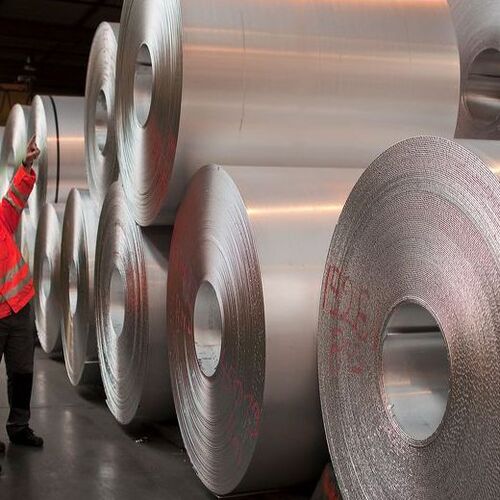
Introduction to industrial aluminum foil What is industrial aluminum foil? Aluminum foil is a kind of aluminum rolled material. Aluminum foil mainly refers to thickness. In the industry, aluminum products with a thickness of less than 0.2mm are usually called aluminum foil. They are usually cut longitudinally at the edges and delivered in rolls. Industrial aluminum foil, as the name suggests, is an aluminum foil ...

Is Cooking with Aluminum Foil Safe? Unwrapping the Truth Behind the Aluminum Myth! Aluminum foil is a staple in many kitchens around the world. From wrapping leftovers to lining baking sheets, its versatility is unmatched. However, recent discussions and concerns have arisen regarding the safety of cooking with aluminum foil. Is it a harmless kitchen helper, or does it pose health risks? In this detailed g ...

3003 Aluminum Foil for Container: Technical Characteristics and Industrial Application 3003 aluminum foil stands as a core material for container manufacturing. It balances strength, corrosion resistance and processability. This article explores its technical details and container-specific value. 1. Chemical Composition of 3003 Aluminum Foil 3003 aluminum foil belongs to the Al-Mn alloy series. Its composi ...
1. Chemical composition: The alloy grades of aluminum foil for heat exchange fins mainly include 1100, 1200, 8011, 8006, etc. From the perspective of use, air conditioners do not have strict requirements on the chemical composition of aluminum heat exchange fins. Without surface treatment, 3A21 aluminum alloy has relatively good corrosion resistance, high mechanical properties such as strength and elongation, ...

The Ultimate Guide to Aluminum Foil Coating: Processes, Selection, and Global Supplier Sourcing Introduction: Looking for high-quality coated aluminum foil? This guide provides an in-depth analysis of the core differences between the four major coating processes—epoxy, polyester, heat-seal, and anti-corrosion—along with production workflows, key performance tests, and an actionable supplier evaluation checklist ...
3003 Aluminum Foil – Comprehensive Anti-Rust and Corrosion-Resistant Alloy Foil Solution 3003 aluminum foil, as a typical representative of aluminum–manganese alloy, uses manganese as the core alloying element (content 1.0%–1.5%). It combines excellent anti-rust and corrosion resistance, balanced mechanical strength, and good processing and forming performance. Its strength is approximately 30% higher than pure ...
Aluminum foil lunch boxes made of aluminum foil can be processed into various shapes and are widely used in food packaging such as pastry baking, airline catering, takeaway, cooked food, instant noodles, instant lunch and other food fields. The aluminum foil lunch box has a clean appearance and good thermal conductivity. It can be heated directly on the original packaging with ovens, microwave ovens, steamers and ...