


What is aluminum foil for induction Aluminum foil for induction is a special aluminium foil material with the function of electromagnetic induction heating. It is commonly used to seal the lids of bottles, jars or other containers for sterile, airtight packaging. In addition, aluminium foil for sensing also has the advantages of easy operation, high efficiency and environmental protection. The working princi ...

What is aluminum foil for food Aluminum foil for food is a type of aluminum foil that is specifically designed and manufactured for use in food preparation, cooking, storage, and transport. It is commonly used in households and food service industries to wrap, cover, and store food items, as well as to line baking sheets and pans. Aluminum foil for food is available in various sizes, thicknesses, and strength ...

Safeguarding Freshness: The Indispensable Role of Aluminum Foil for Yogurt Lid in Korea's Dairy Market In South Korea's highly competitive and quality-conscious dairy market, ensuring the freshness, safety, and appealing presentation of products like yogurt is paramount. The packaging, particularly the lid, serves as a critical barrier protecting delicate contents from environmental degradation. Amidst this dem ...

What is aluminum foil for cable? The outer surface of the cable needs to be wrapped with a layer of aluminum foil for protection and shielding. This kind of aluminum foil is usually made of 1145 grade industrial pure aluminum. After continuous casting and rolling, cold rolling, slitting and complete annealing, it is divided into small coils according to the length required by the user and supplied to the cable f ...
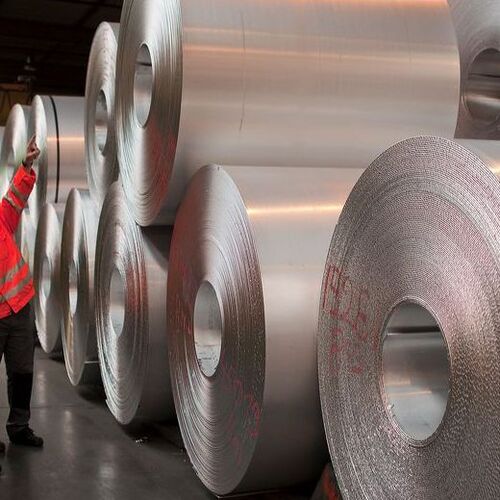
Introduction to industrial aluminum foil What is industrial aluminum foil? Aluminum foil is a kind of aluminum rolled material. Aluminum foil mainly refers to thickness. In the industry, aluminum products with a thickness of less than 0.2mm are usually called aluminum foil. They are usually cut longitudinally at the edges and delivered in rolls. Industrial aluminum foil, as the name suggests, is an aluminum foil ...

4x8 sheet of 1/8 inch aluminum price Understand what is 4x8 1/8 in aluminum sheet 4x8 sheet of 1/8 inch aluminum is a specification of aluminum sheet, with a length and width of 4 feet x 8 feet (about 1.22x2.44m) and a thickness of 1/8 inch (about 3.175 mm). 44x8 aluminum sheet is a large, thin, lightweight metal sheet with lightweight, corrosion-resistant, and easy-to-process product characteristics. Alumin ...
ITEM SIZE (MM) ALLOY / TEMPER WEIGHT (KGS) ALUMINIUM FOIL, ID: 76MM, ROLL LENGTH: 12000 - 13000 meters 1 0.007*1270 1235 O 18000.00

Cutting-edge technology and industrial value of 8000 series aluminum alloys Introduction: Industrial Positioning and Dual-Driver Demand of 8000-Series Aluminum Alloys Driven by the global "dual carbon" goal (the IPCC Sixth Assessment Report defines the 2050 carbon neutrality pathway) and the upgrading of low-temperature equipment (the demand for low-temperature service in fields such as cold chain logistics ...

Advanced Techniques, Equipment, and Processes for Thickness Control in 8011, 8079, and 1235 Aluminum Foil Production 1. Introduction The aluminum foil industry has experienced rapid growth over the past decades, driven by the increasing demand from packaging, pharmaceutical, and electronic sectors. Among the various grades, 8011, 8079, and 1235 aluminum foils are widely used due to their combination of mechanic ...

3003 Aluminum Foil – Comprehensive Anti-Rust and Corrosion-Resistant Alloy Foil Solution 3003 aluminum foil, as a typical representative of aluminum–manganese alloy, uses manganese as the core alloying element (content 1.0%–1.5%). It combines excellent anti-rust and corrosion resistance, balanced mechanical strength, and good processing and forming performance. Its strength is approximately 30% higher than pure ...

Coated vs. Composite Aluminum Foil: A Guide to Advanced Material Solutions Introduction: Two Paths to Enhancing a Classic Material Aluminum foil is a ubiquitous material, prized for its barrier properties, formability, and light weight. To meet the complex demands of modern industries, it has evolved through two primary technologies: coating and compositing. These processes create specialized materials that po ...