

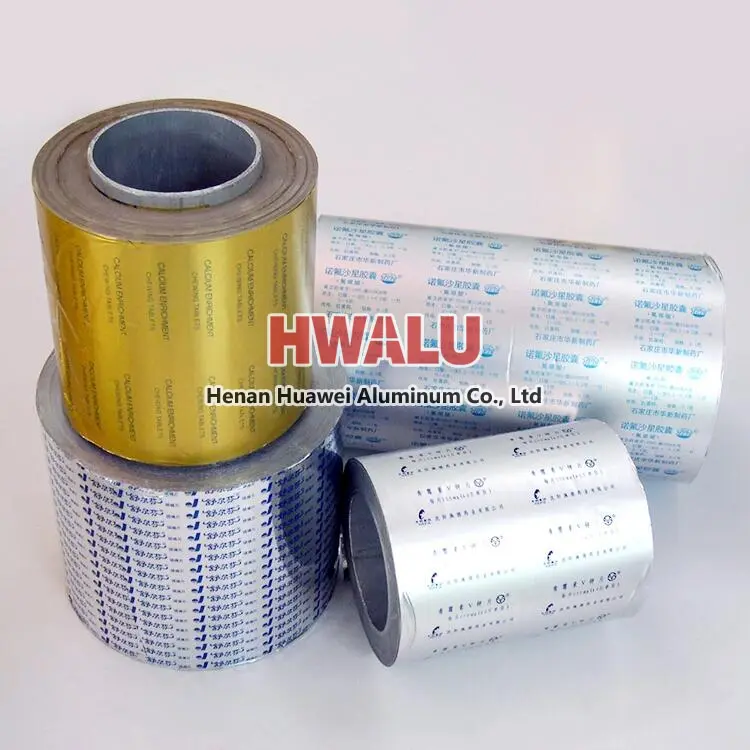
Custom printing aluminum foil jumbo roll The printing process and precautions of aluminum foil for medicine packs The process flow of packaging aluminum foil is: aluminum foil unwinding -> gravure printing -> drying -> protective layer coating -> drying -> adhesive layer coating -> drying -> aluminum foil winding. In order to achieve the above-mentioned performance requirements in the PTP ...

What is Aluminum foil for decoration Aluminum foil for decoration is a specially processed aluminum foil product, which is mainly used for decoration, packaging and handmade purposes. It is usually smoother and glossier than ordinary aluminum foil, and can be printed with different patterns and colors to increase its decorative and visual effects. Decorative aluminum foil is usually used to make gift boxes ...

What is Aluminum Foil for Coffee Capsules Aluminum foil for coffee capsules generally refers to small capsules used to package single-serve coffee, which are filled with selected ground coffee for freshness and convenience. This capsule is usually made of aluminum foil, because aluminum foil is a material with good oxygen barrier and moisture resistance, which can prevent the coffee powder from moisture, oxid ...

Introduction of 8006 alloy aluminum foil 8006 alloy aluminum foil is a non-heat treatable aluminum alloy. The 8006 aluminum foil product has a bright surface and is degreasing clean. Especially suitable for making wrinkle-free lunch boxes. Huawei Aluminum's 8006 aluminum foil adopts hot rolling method, and the tensile strength is between 123-135Mpa. Technical parameters of aluminum foil 8006 Alloy 8 ...
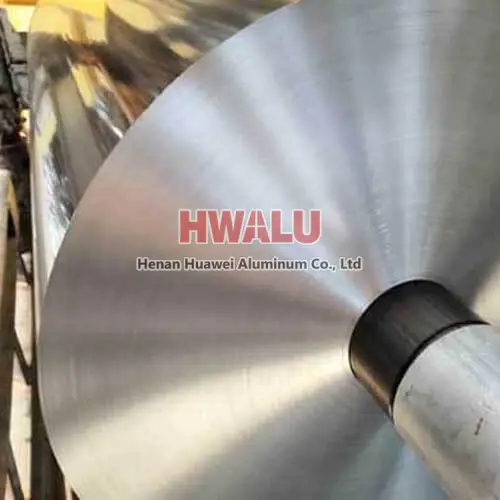
Introduction Welcome to Huawei Aluminum, your premier destination for high-quality 8011 O Temper Aluminum Foil in various micron thicknesses. As a reputable factory and wholesaler, we pride ourselves on delivering top-notch aluminum products that meet and exceed industry standards. In this detailed guide, we will explore the specifications, alloy models, applications, and advantages of our 8011 O Temper Aluminum ...
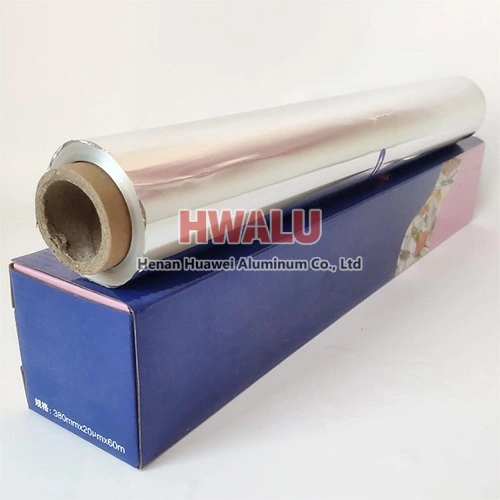
What is extra wide aluminum foil "Extra-wide aluminum foil" refers to aluminum foil that is wider than commonly used standard widths. Aluminum foil is a thin sheet of metal used for a variety of purposes, including packaging food, covering cooking dishes, and as a heat-resistant barrier. Extra wide aluminum foil thickness The standard width of household aluminum foil is usually about 12 inches (30 cm). Extra-w ...
After printing and coating, aluminum foil paper and cash register paper need to be post-printed and slit on a slitting machine to cut large rolls of semi-finished products into the required specifications. The semi-finished products that run on the slitting machine are an unwinding and rewinding. This process includes two parts: machine speed control and tension control. The so-called tension is to pull the al ...
Common aluminum foil materials are 8011 aluminum foil and 1235 aluminum foil. The alloys are different. What's the difference? Aluminum foil 1235 aluminum foil is different from 8011 aluminum foil alloy. The process difference lies in the annealing temperature. The annealing temperature of 1235 aluminum foil is lower than that of 8011 aluminum foil, but the annealing time is basically the same. 8011 aluminum foi ...
1-Moisture-proof and anti-oxidation: Aluminum foil paper can effectively prevent food from getting wet and oxidized and cause deterioration, so as to maintain the freshness and taste of food. 2-Thermal insulation: The thermal conductivity of aluminum foil paper is very low, which can effectively insulate heat and prevent heat loss. 3-Blocking UV rays: Aluminum foil can effectively block UV rays and protect ...
8011 aluminum foil is a common aluminum alloy material, which has received extensive attention and application due to its good performance and wide application fields. Below, we will introduce the characteristics and advantages of 8011 aluminum foil from various aspects. First of all, 8011 aluminum foil has excellent corrosion resistance. Aluminum foil itself has good oxidation resistance, and 8011 aluminum fo ...
In the production of double foil, the rolling of aluminum foil is divided into three processes: rough rolling, intermediate rolling, and finishing rolling. From a technological point of view, it can be roughly divided from the thickness of the rolling exit. The general method is that the exit thickness is greater than Or equal to 0.05mm is rough rolling, the exit thickness is between 0.013 and 0.05 is intermediat ...
It is generally believed that the single-sheet rolling speed of the aluminum foil should reach 80% of the rolling design speed of the rolling mill. Danyang Aluminum Company introduced a 1500 mm four-high irreversible aluminum foil roughing mill from Germany ACIIENACH. The design speed is 2 000 m/min. At present, the single-sheet aluminum foil rolling speed is basically at the level of 600m/miT, and the domestic s ...